Being informed ≠ being motivated

What sets a good kick-off apart from an information session

It’s January, at a conference hotel somewhere near a highway exit. Rows of chairs, a projector, and at each seat a notepad with the hotel’s logo and a pen. At nine o’clock, management greets the attendees, followed by last year’s figures, the goals for the new year, and an organizational chart with a few new boxes. Slide 23 of 61.
During the coffee break, there’s filter coffee and butter pretzels. Everyone stands around chatting with the colleagues they talk to every day anyway. After that, presentations until lunch, followed by more presentations in the afternoon. In the evening, a buffet, polite applause, and the drive home.
The next morning, everyone is back at their desks. The inbox is full, the first appointments are coming up, and everyday life has caught up with everyone faster than expected. In the break room, someone remarks that the presentation was too long. Nothing remains of the sense of excitement the day was supposed to spark. Everyone knows the score. No one took action. It wasn’t the content’s fault. The numbers were right, the goals were clear. The day provided information. It didn’t motivate.

I’ve been organizing dealer and sales events for Fendt for years, ranging from the Dealer Principal Meeting to the Dealer Excellence Summit and the Supplier Day. And I’ve learned this: A room full of well-informed people is far from being a room full of motivated people. That’s why we at KAD design kick-offs with a different focus - on experiences that turn knowledge into motivation and have a lasting impact beyond the event itself. In this post, I’ll show you how we make that happen.

Photos: © by Andreas Moor / Sienz

Author
Article type
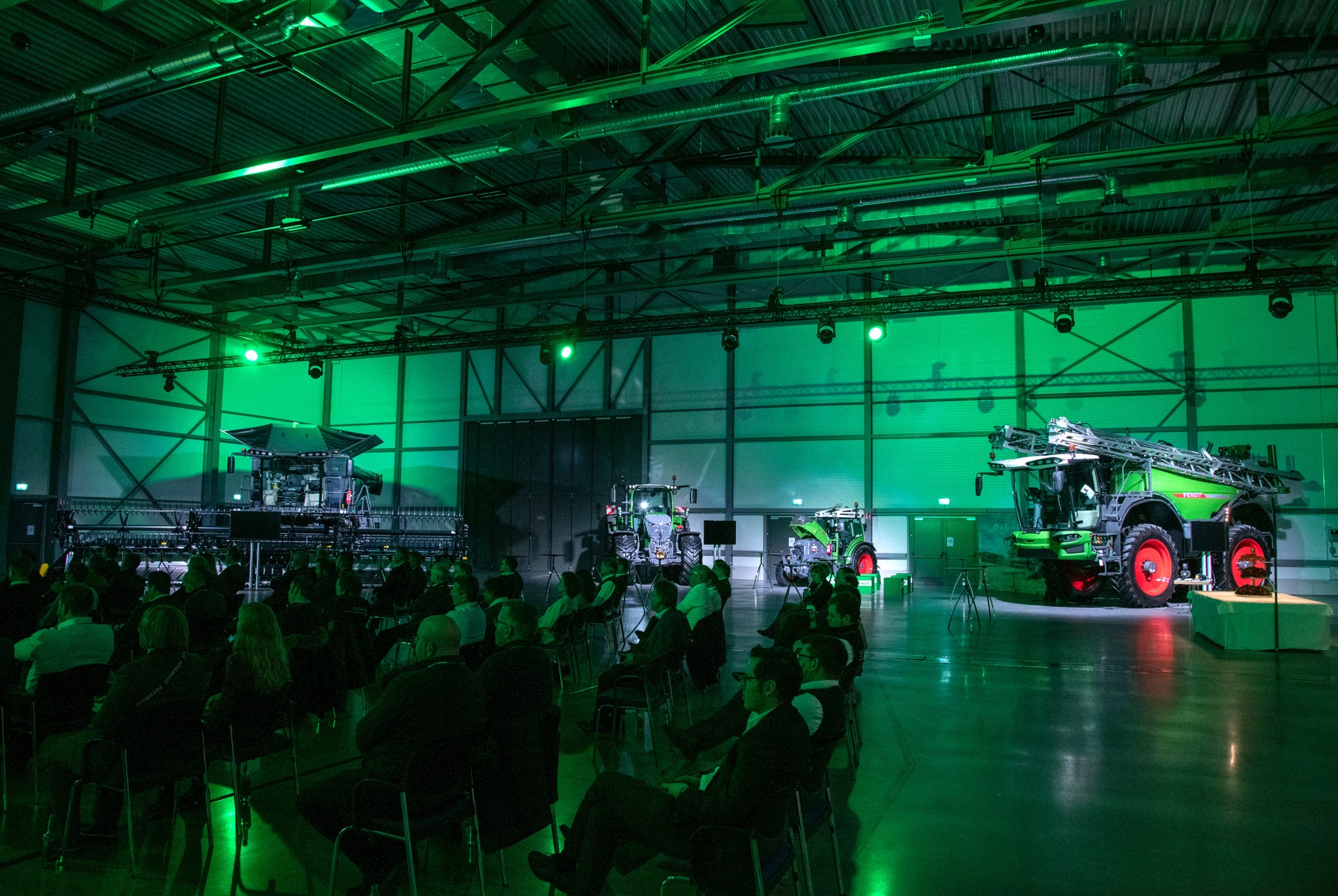
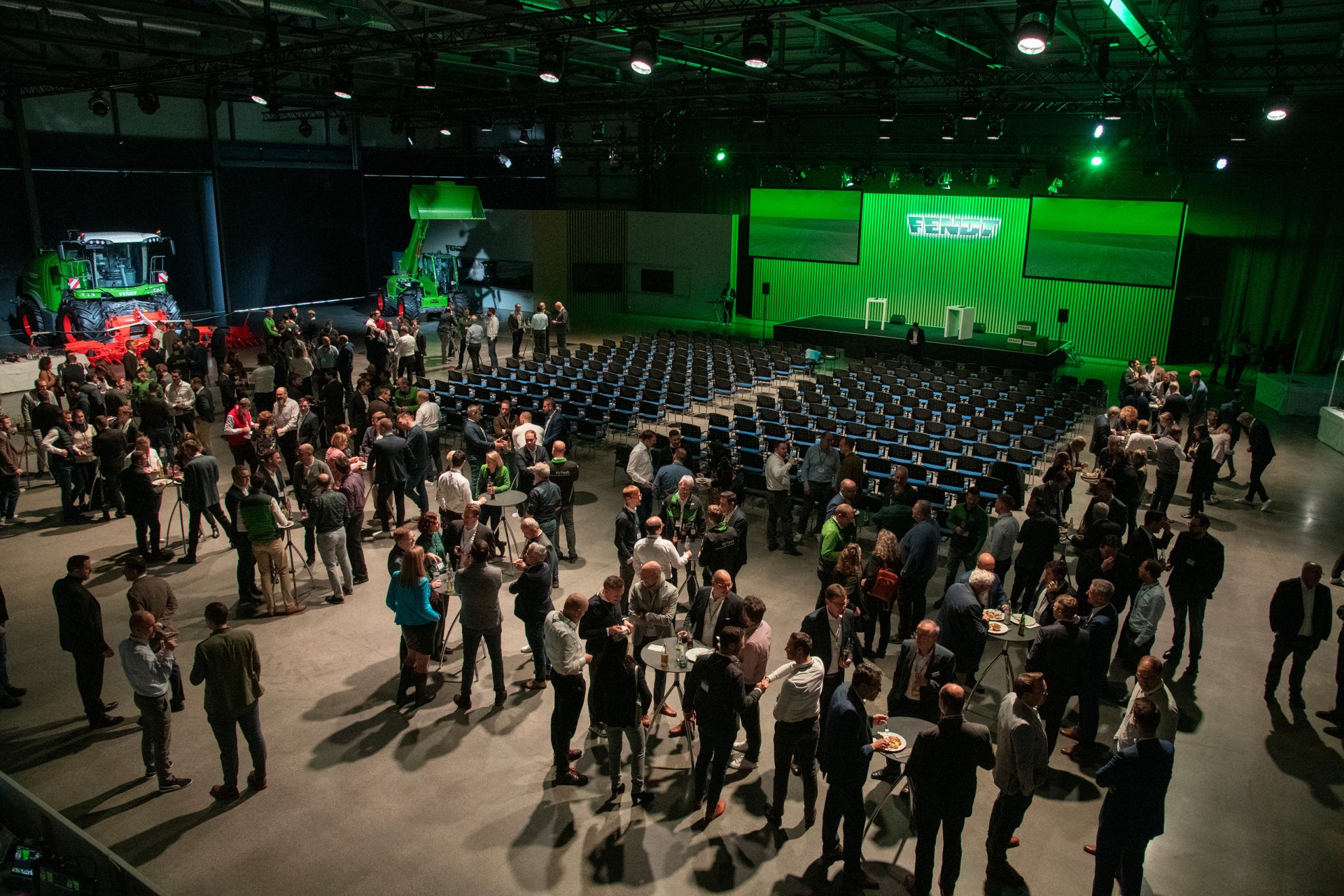
Green-lit hall with an audience seated in rows and a large Fendt agricultural machine in the spotlight

Knowledge alone doesn't inspire anyone

An informational event aims to ensure that participants gain knowledge. A kick-off event aims to get them actively involved. To achieve this, in addition to numbers and goals, there need to be moments when people can help shape the process themselves, connect with one another, and develop a shared sense of purpose for the coming year. Only then does a kick-off become a true starting point.

The Gallup Engagement Index Germany 2025 reveals just how wide the gap is between knowledge and motivation in everyday work life: Only 10 percent of employees have a strong emotional connection to their employer. 77 percent feel only a weak connection, and 13 percent feel no connection at all. The study’s authors attribute this primarily to leadership culture. For me, this means: A kick-off that inspires leaders and employees has an impact that extends far beyond that single day.

And there’s something else I observe time and again: When participants reflect on an event afterward, they almost never mention a slide. Instead, they talk about a conversation, an encounter, or an experience in which they were actively involved.

The 3 E's: How expectations turn into experiences

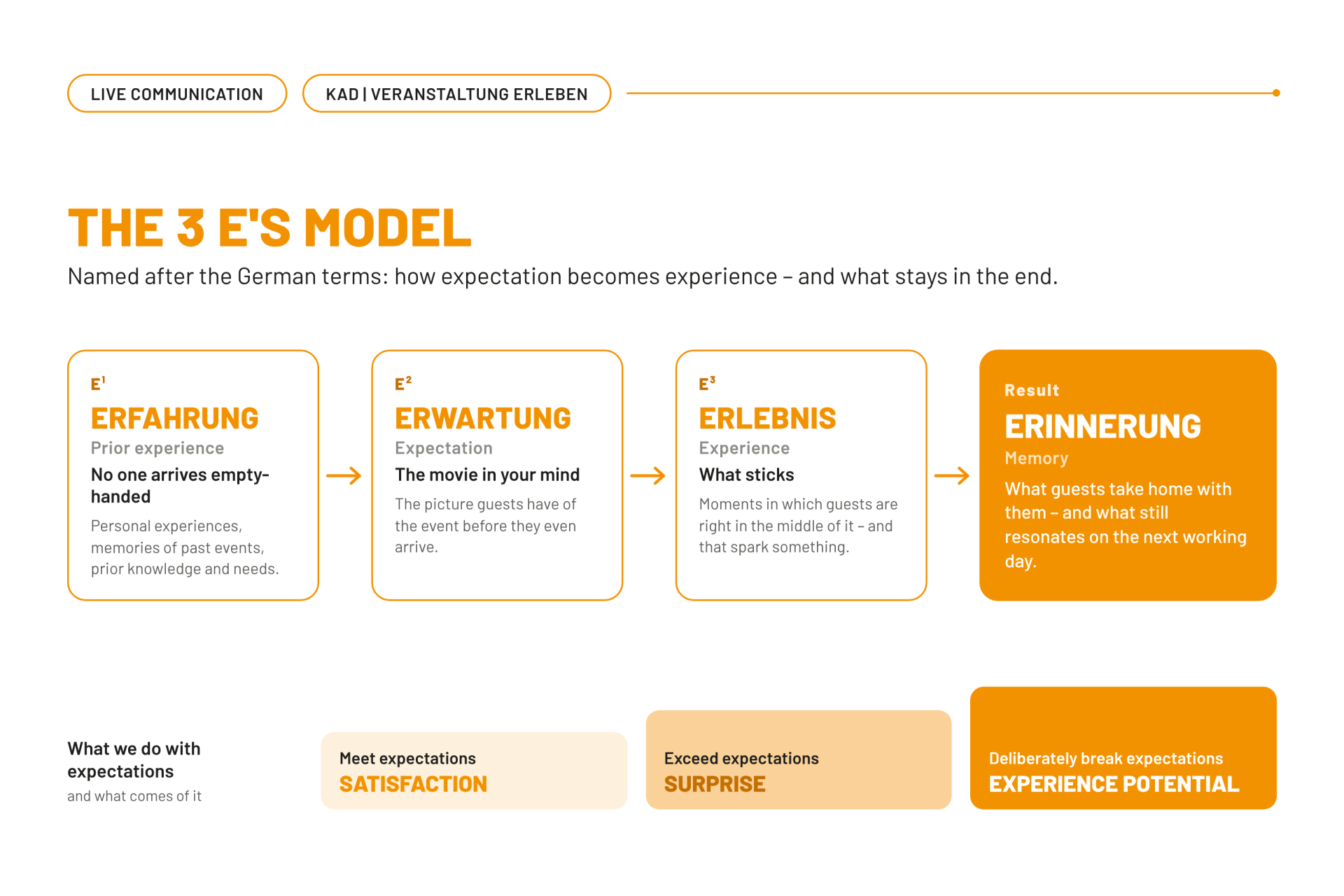
At KAD, we use the “3 E’s” model—Experience, Expectation, and Experience - to design our events. Ultimately, what matters most is the memory.

Experience: No One Comes with an Empty Mind
Every guest brings something with them: personal experiences, memories of past events (both good and bad), prior knowledge, preconceptions, and their own needs. An executive attending a kick-off meeting for the tenth time sits differently in the room than someone attending for the first time. Both factors must be factored into the planning.

Expectation: The Movie in Your Head
Expectations arise long before the first item on the agenda. Here’s a little thought experiment: The invitation to the annual kick-off lands in your inbox. What do you picture?
Interesting: We all received the same invitation - and yet each of us has just created our own mental movie. Very different expectations have emerged, drawing on past experiences.
How do we reconcile these different expectations? We don’t. The trick isn’t to create a separate event for everyone - which, of course, isn’t possible - but rather one that works for a diverse group of people.

Experience: What Sticks with Us
Expectations give rise to three possibilities:

  • Meeting expectations = satisfaction
  • Exceeding expectations = surprise
  • Deliberately defying expectations = potential for an experience

Marketing research has long recognized this connection: satisfaction arises from the comparison between what we expect and what we actually experience (Oliver, 1980). A kick-off that meets all expectations is a good kick-off. One that deliberately defies them will still be talked about weeks later.

And in the end: the memory
What people remember about an experience is not an average. According to the so-called peak-end rule, we evaluate experiences primarily based on their most intense moment and their conclusion (Kahneman et al., 1993). That’s why we plan the highlight and conclusion of a kick-off just as carefully as the morning presentation.

From real-world experience: Two kick-offs, two approaches

Two kick-off events we’re organizing for Fendt illustrate exactly how this works in practice. My colleague Nadine is in charge of the internal kick-off for executives, while I’m handling the events for sales partners. Both have a similar goal, but the paths to achieving it couldn’t be more different.

Attendance at the dealer kick-off is practically mandatory. Anyone who doesn’t show up will miss out on the information they need for the new sales year. So getting people into the room isn’t the challenge. Getting them excited about the product - that is. You can’t truly understand a tractor from a slide. That’s why dealers experience it up close, out in the field, and during a tour of the factory. And in the evening, the focus is on building relationships between Fendt sales and our sales partners.

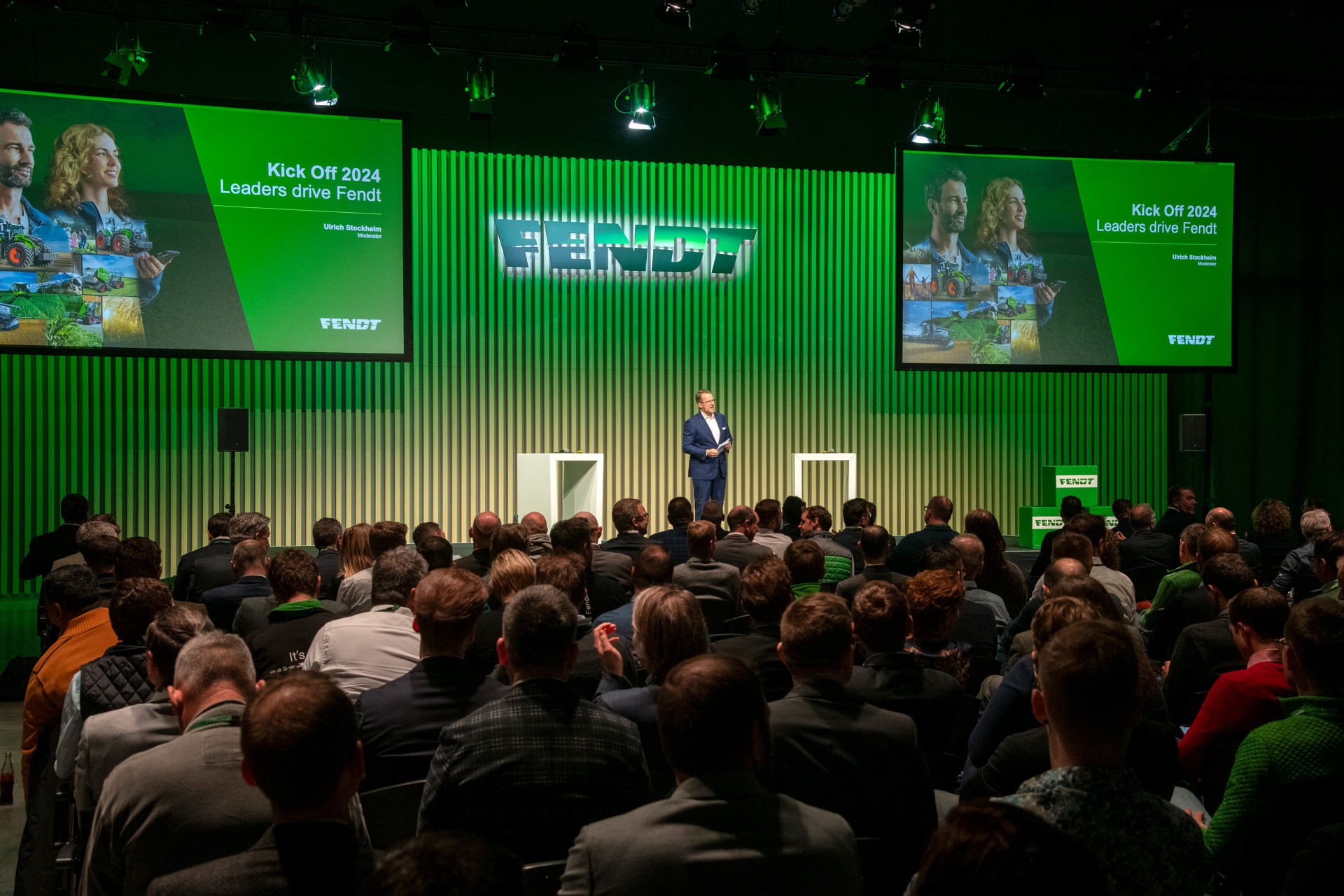
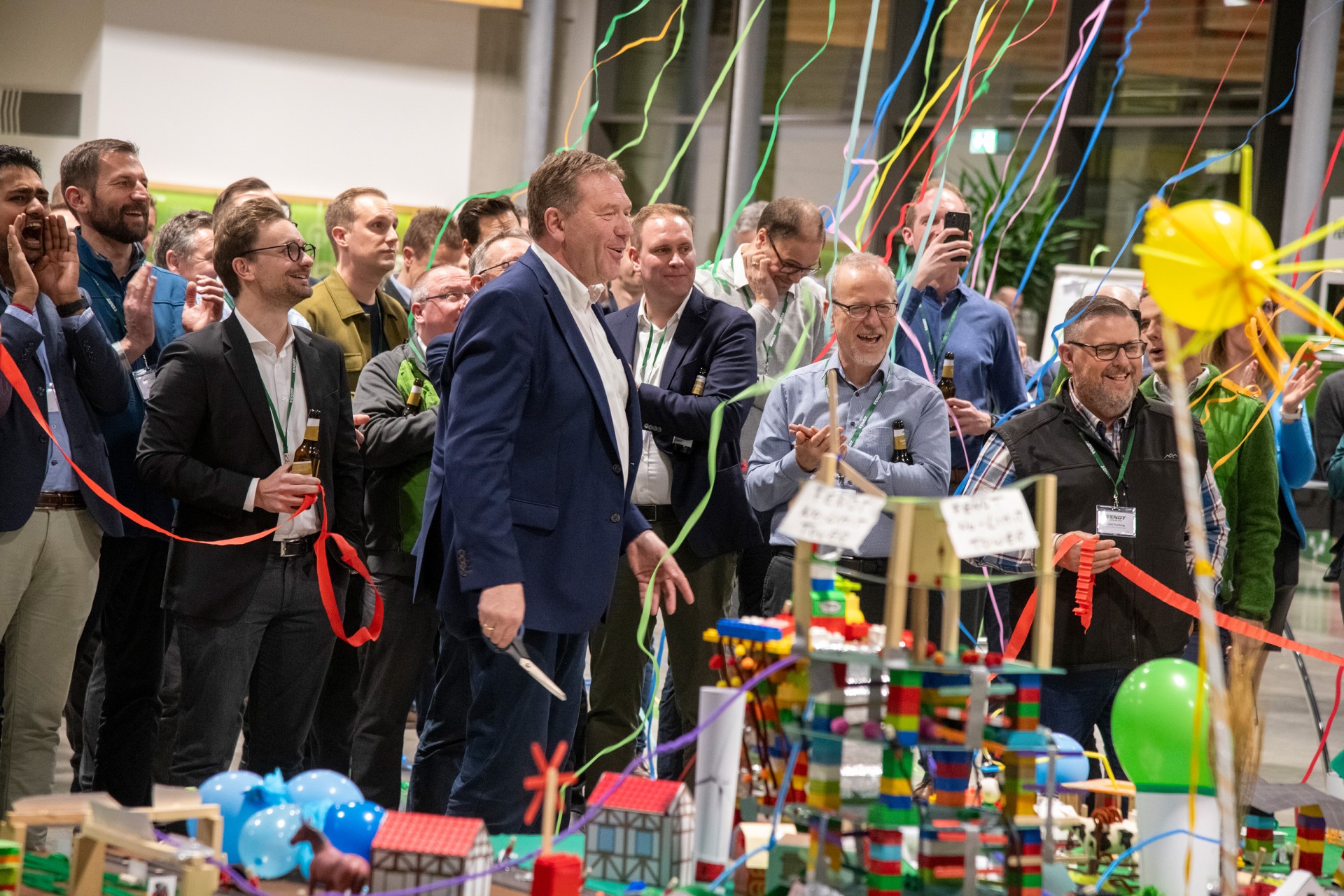
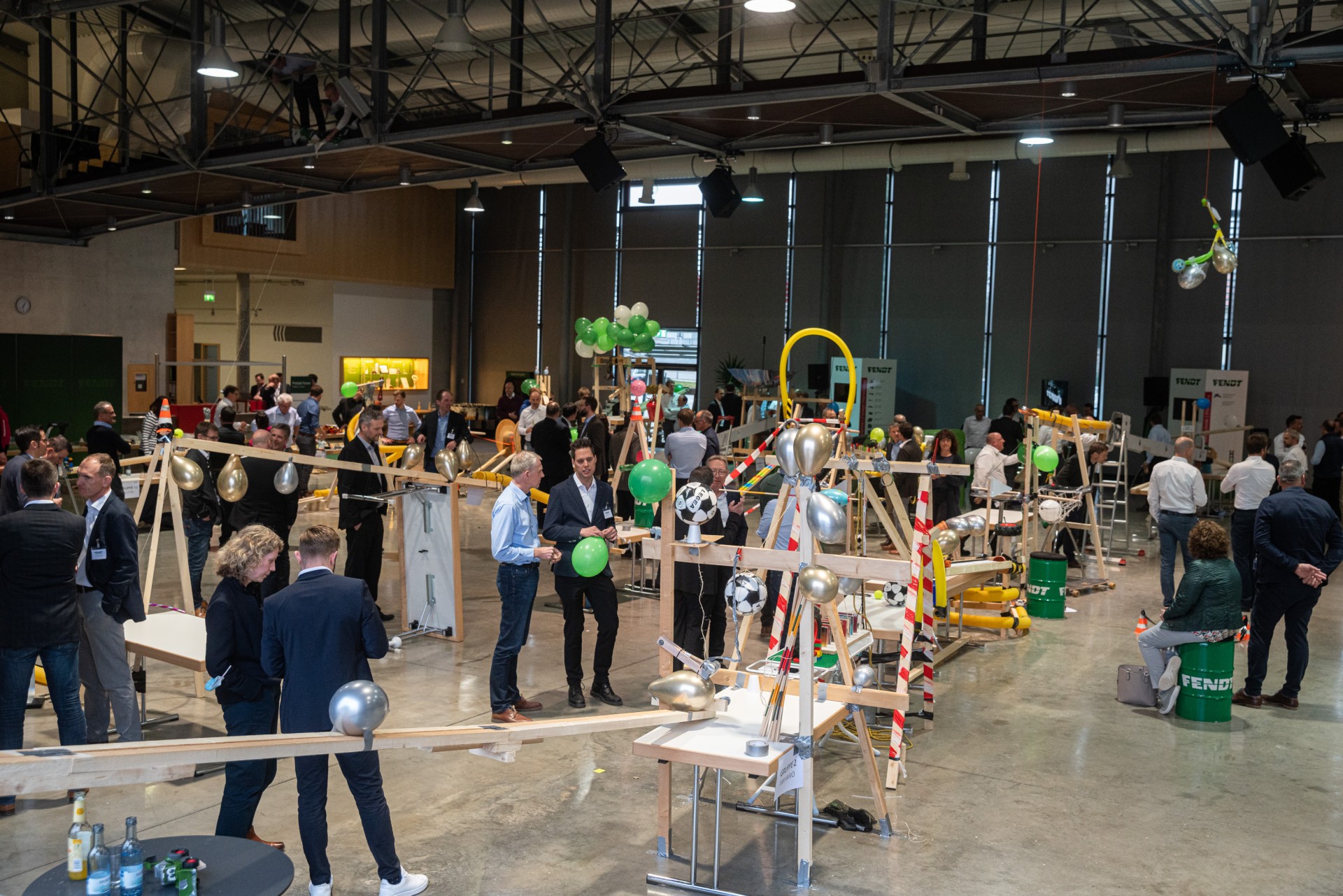
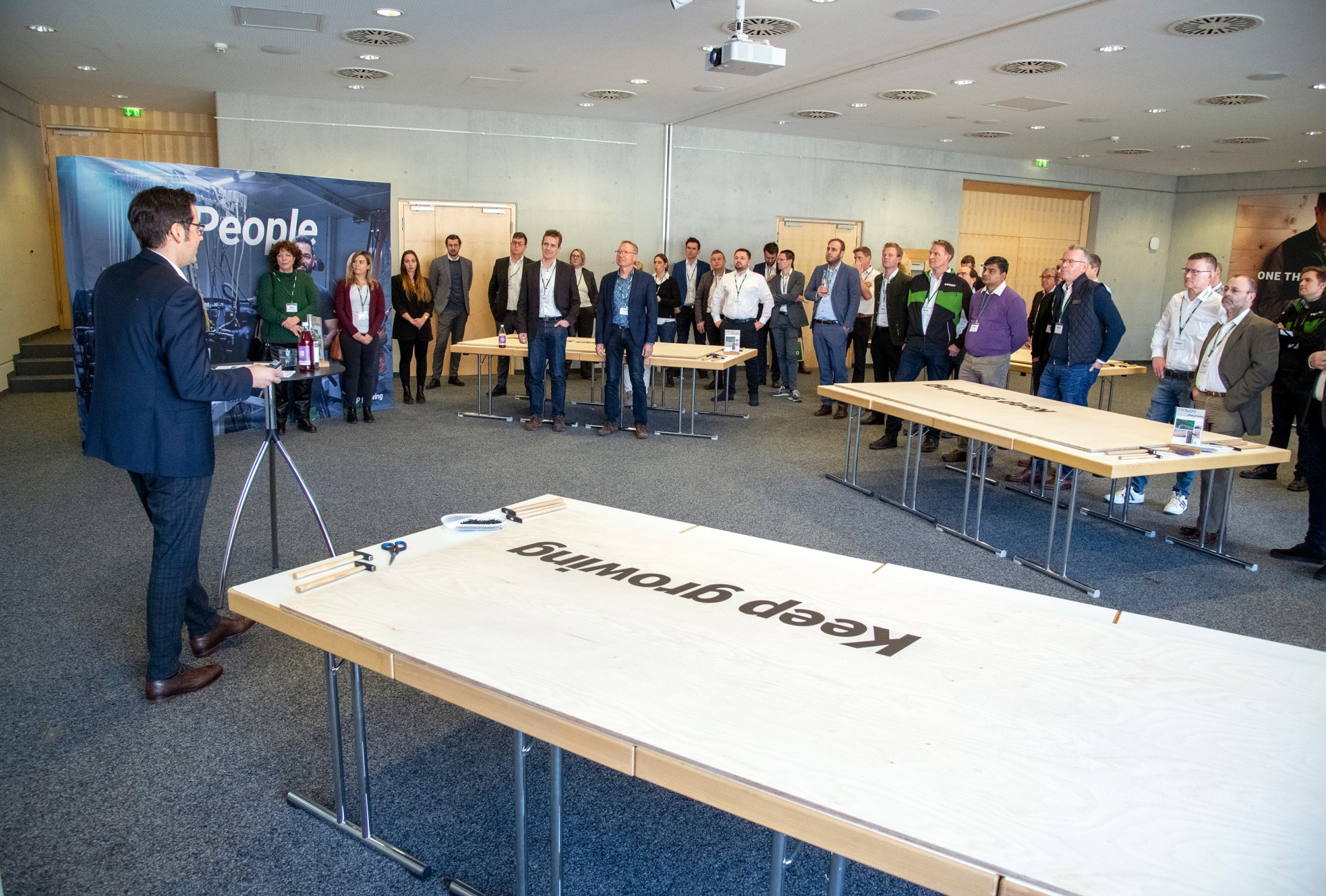
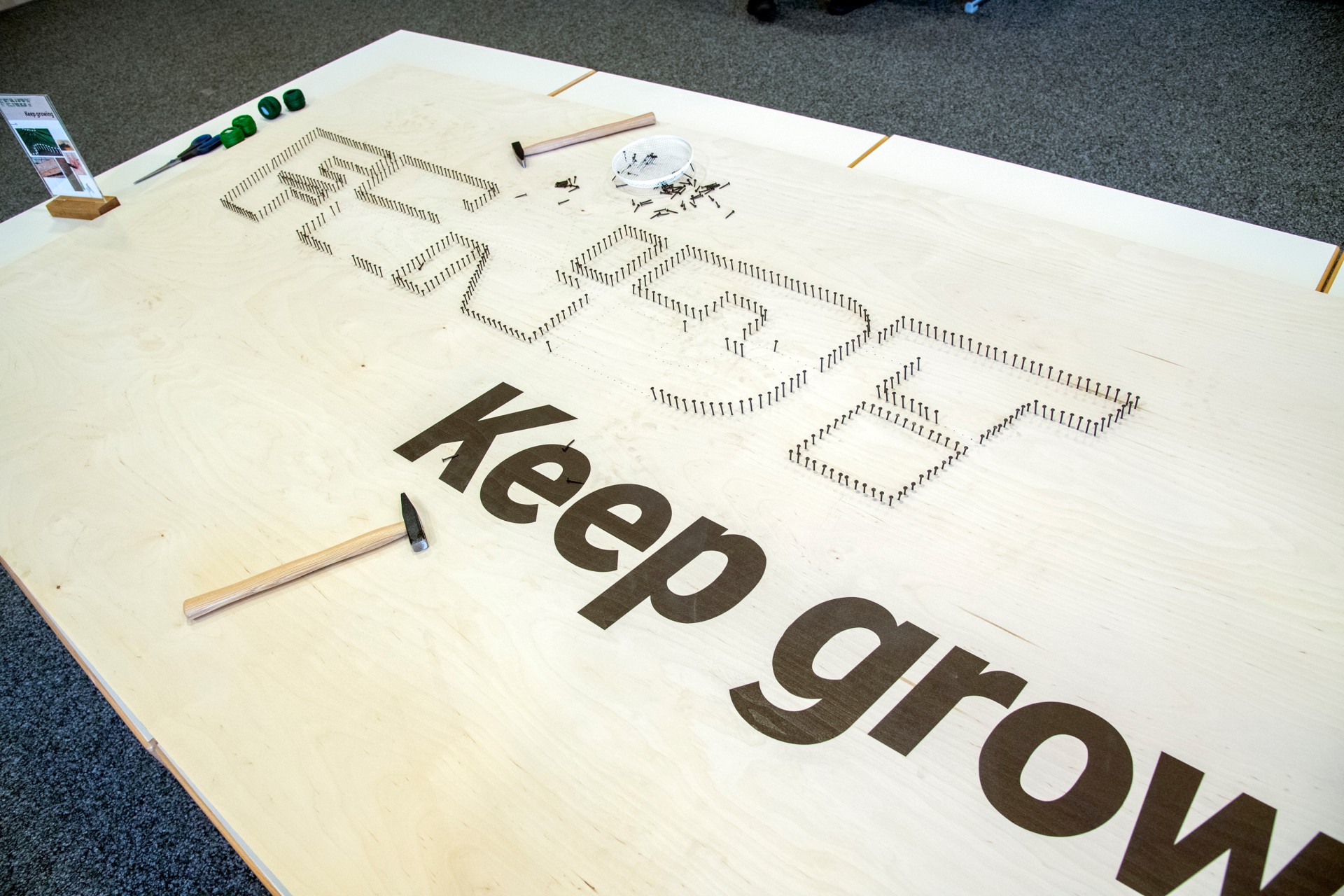
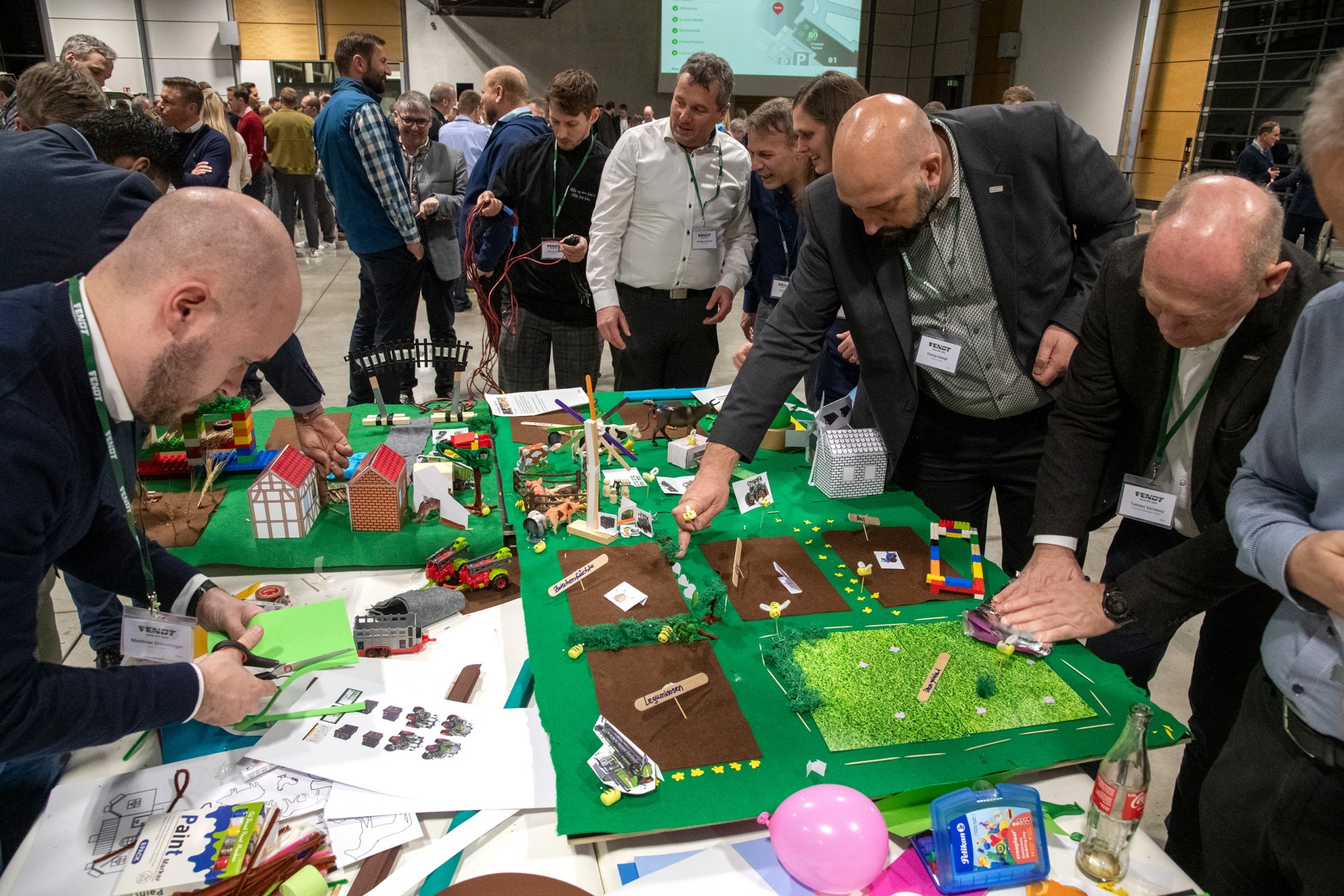
At the executive kick-off, the room is filled with people who know the company and its processes and have already attended many kick-offs. The question here is: How do you surprise people who think they’ve seen it all? Our answer: The numbers remain a key part of the presentation, but afterward, the participants take the lead. And because every surprise eventually loses its novelty, the format is reimagined every year. When you help shape something yourself, you’re no longer just part of the audience. You become the host.

What both formats need to achieve:

  • Provide direction: figures, goals, and new developments for the coming year
  • Generate energy: enthusiasm for the product, team cohesion, and strong relationships
  • Create continuity: something that carries over into everyday work on the following Monday

You can read about how we structured both kick-offs and have continued to develop them over the years in the project report on the Fendt kick-offs.

In-person or online: When a screen isn't enough

For purely informational purposes, an online format is sufficient. But as soon as the goal is to experience a product, strengthen relationships, or build a team, there’s no getting around in-person events. At Fendt, the question hardly even arises: An online kick-off is virtually impossible for this product, and Fendt places great importance on having its partners there in person.
The market confirms this trend. According to the Meeting & Event Barometer Germany, in the wake of the pandemic, in-person events with hybrid elements were the driving force, while purely online participation declined (EITW for GCB, EVVC, and DZT, 2023). The 2024/25 edition also reports a continuing upward trend with increased in-person participation.

Away from the lecture-style presentation - without gimmicks

The biggest concern I hear from clients is that interactive formats can quickly come across as silly to executives. This concern is valid if the activities have no connection to the participants’ day-to-day work. These questions can help with planning:

  • Does the information have a designated place in the agenda? Numbers, goals, and outlooks belong at the beginning - clear, concise, and presented by senior management.
  • Is the interactive activity relevant to their work? Questions related to agriculture are a good fit for Fendt. A generic team game suits everyone - and therefore suits no one.
  • Do participants become co-creators? Program elements designed by colleagues foster a closer connection than any external activity.
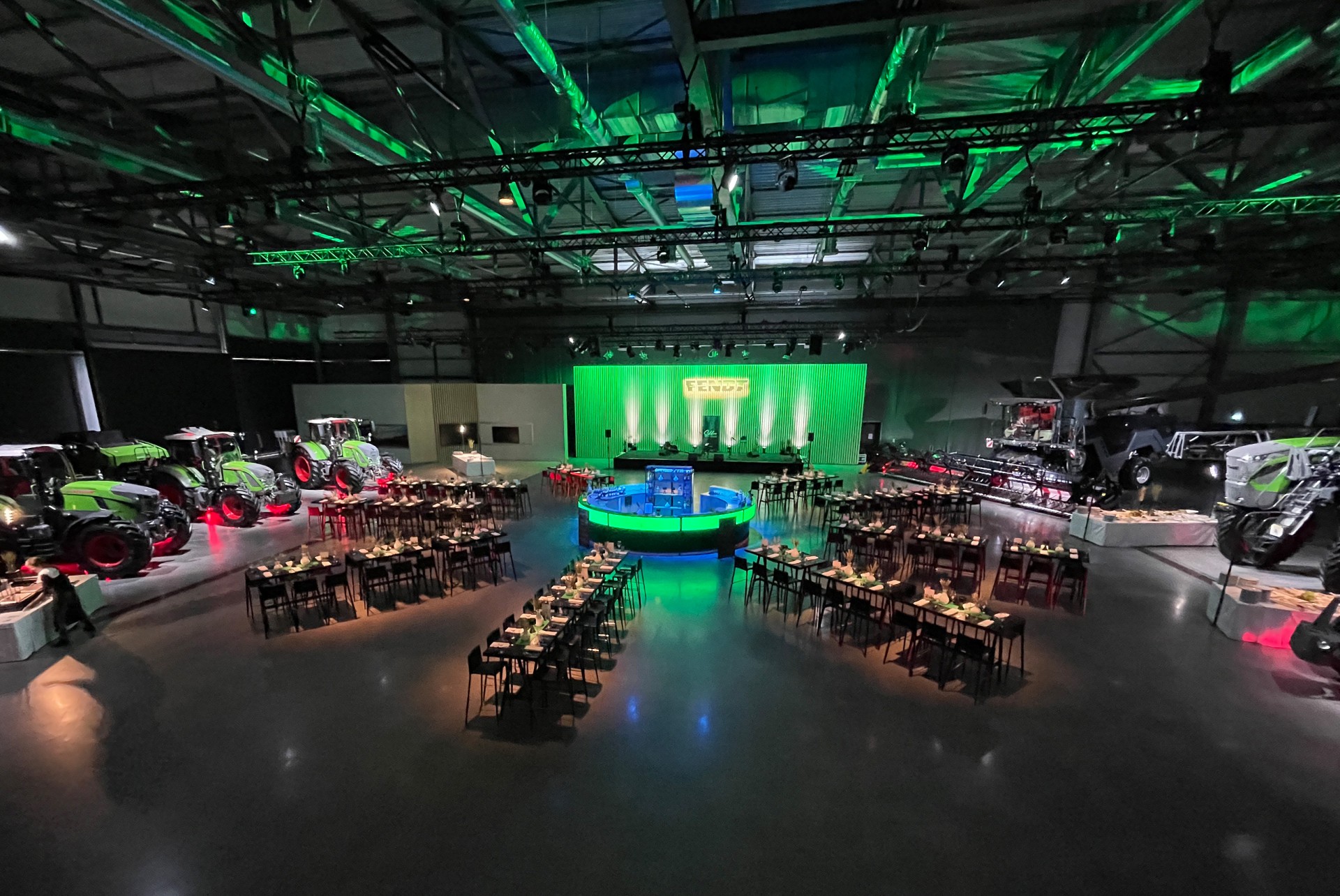
  • Is there room for interaction? A bar at the center isn’t just a detail - it’s an invitation to conversation.
  • Is the ending thoughtfully designed? A wrap-up brings together what the day has sparked.
  • Is the format reimagined every year? Those who don’t know what’s coming stop expecting anything.

What I learned from this

The most important insight from my work: Information and experience are not opposites. The numbers remain. The experience ensures that the message gets across.
I’ve also learned that mandatory attendance isn’t a given. Especially when everyone has to come anyway, the way the event is designed determines whether someone is merely present or truly engaged.
And finally: The best moments often happen between program items - at the bar, at the machine, on the way through the plant. Today, I plan these in-between moments just as carefully as I plan the agenda.

Numbers make sure everyone knows where we’re headed. The experience makes sure they want to come along.

Conclusion

A good kick-off doesn’t shy away from numbers. It takes its guests’ expectations seriously so it can deliberately subvert them at just the right moment. At Fendt, this is achieved in two ways: for executives, through a format that’s reimagined every year; for dealers, through a product they can touch, experience, and discuss together in the evening.
After a successful kick-off, even the next workday looks different. In the break room, the conversation revolves around the task the team solved, the chat at the bar with colleagues from a completely different department, and the machine they got to try out for themselves. And then everyone gets to work.

How should your next kick-off feel - like a mandatory event or like the starting gun?

Frequently asked questions

Your most common questions on this topic – answered from our day-to-day experience.

Related content

More posts for the linked service page: Congress & Conference