Accessibility is not an extra - it’s a mark of quality

Why the small details make all the difference in true participation

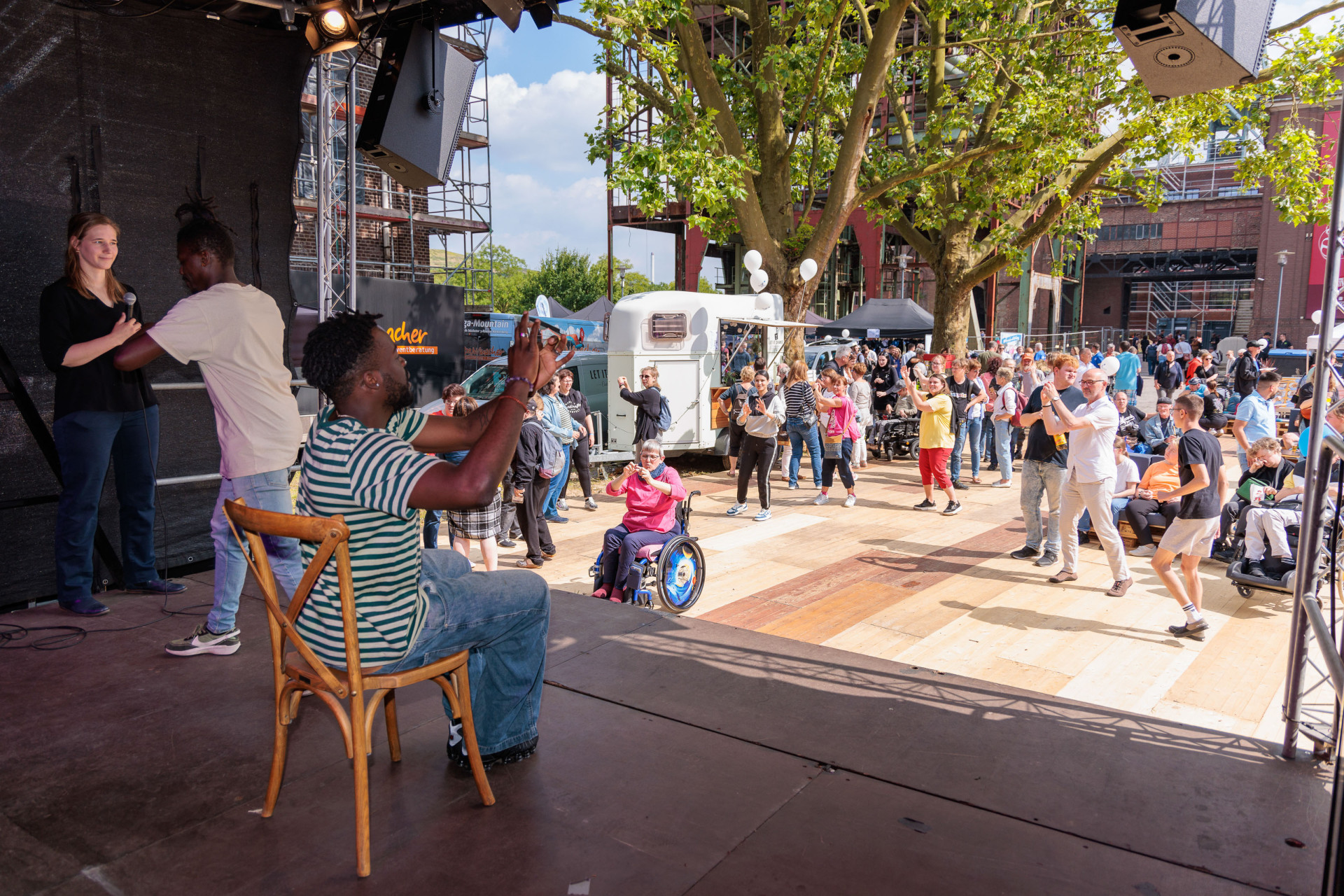
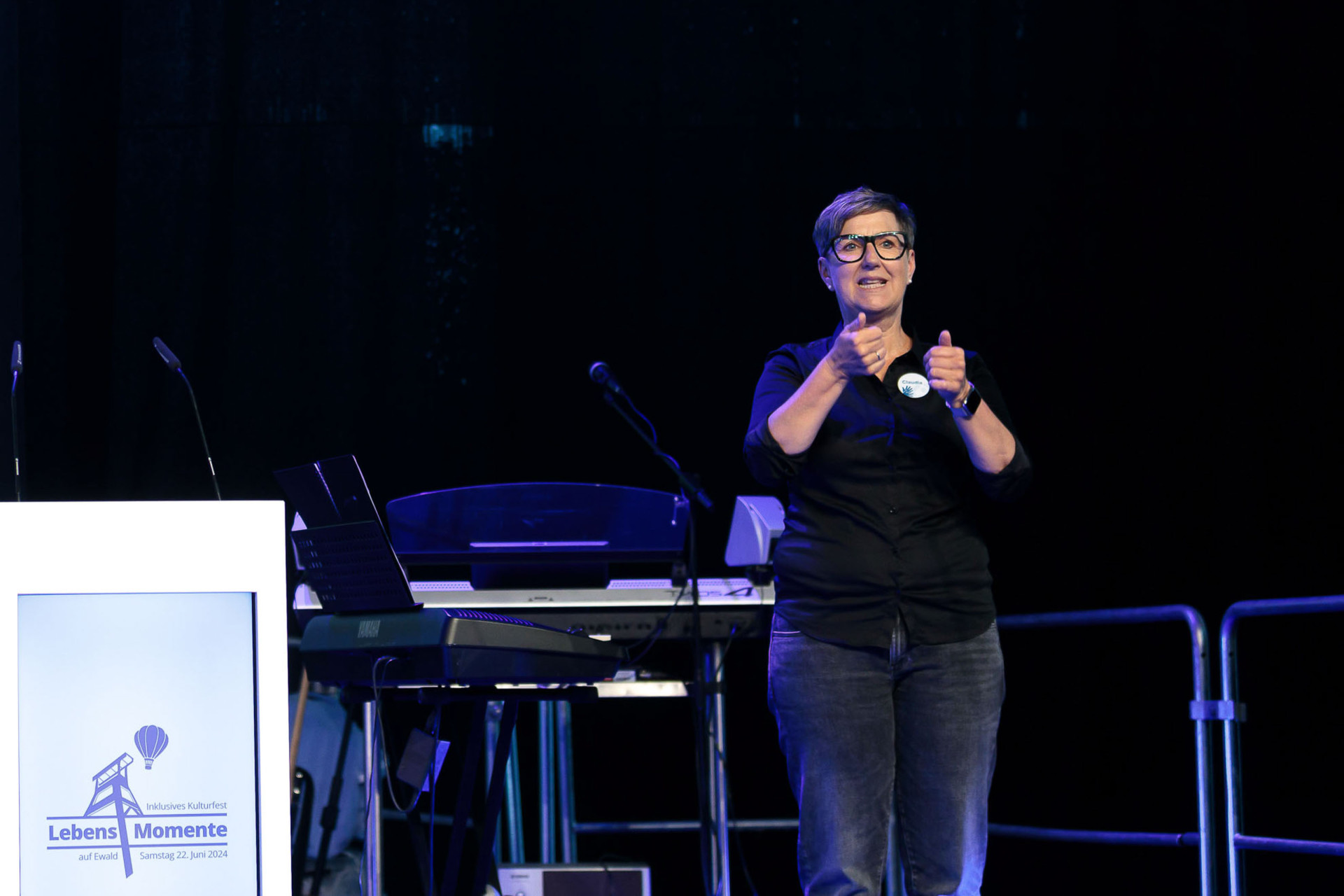
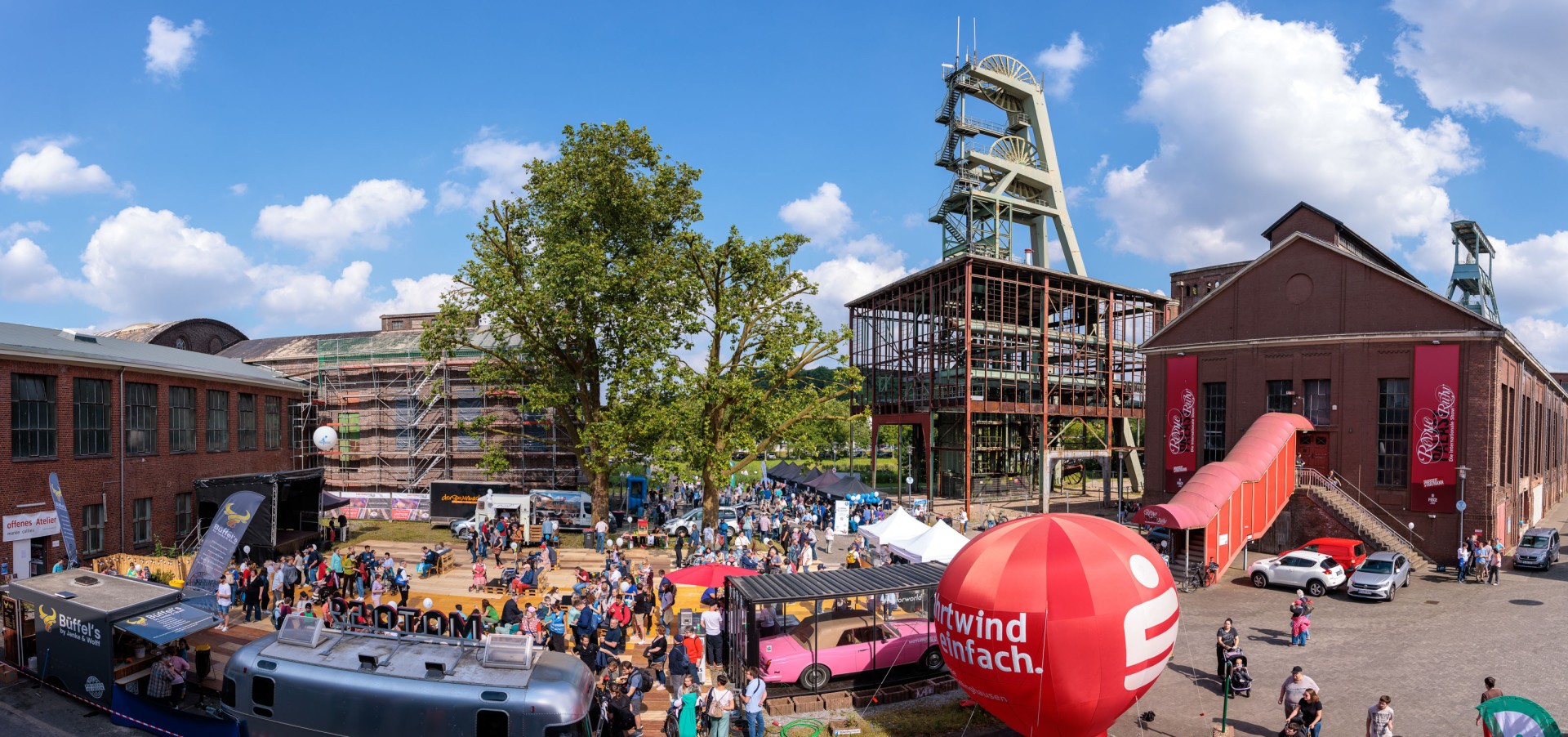
On the outdoor stage at the Zeche Ewald, Dodzi Dougban is getting people moving. With palpable energy, he leads a dance workshop - one of many events on the program at the Lebenshilfe NRW cultural festival. Dodzi is deaf. Standing next to him, a sign language interpreter translates each of his instructions. In front of the stage, people of all ages and with very different abilities are dancing. Some follow the movements, others the rhythm, and still others the signs. Everyone dances in their own way - and yet something shared emerges. For a moment, it doesn’t matter who needs what kind of support. No one is left out.

It is precisely moments like these that show what accessibility truly means. It is far more than a ramp or an elevator. It arises when the most diverse needs are taken into account simultaneously - as a matter of course and on an equal footing. Because accessibility does not mean removing a single barrier. It means creating spaces where everyone can participate.

Fotos: © by André Chrost & KAD

Author
Article type
Event format
Dodzi Dougban leads a dance workshop on the outdoor stage at Zeche Ewald, accompanied by a sign language interpreter and dancing participants.

The barriers you don't see right away

When I ask colleagues or clients what first comes to mind when they hear the word “barrier,” the answer is almost always the same: the stairs that a person in a wheelchair can’t climb on their own. That’s true! But it’s just one of many challenges that come together at every event - and usually the only one people even think about.

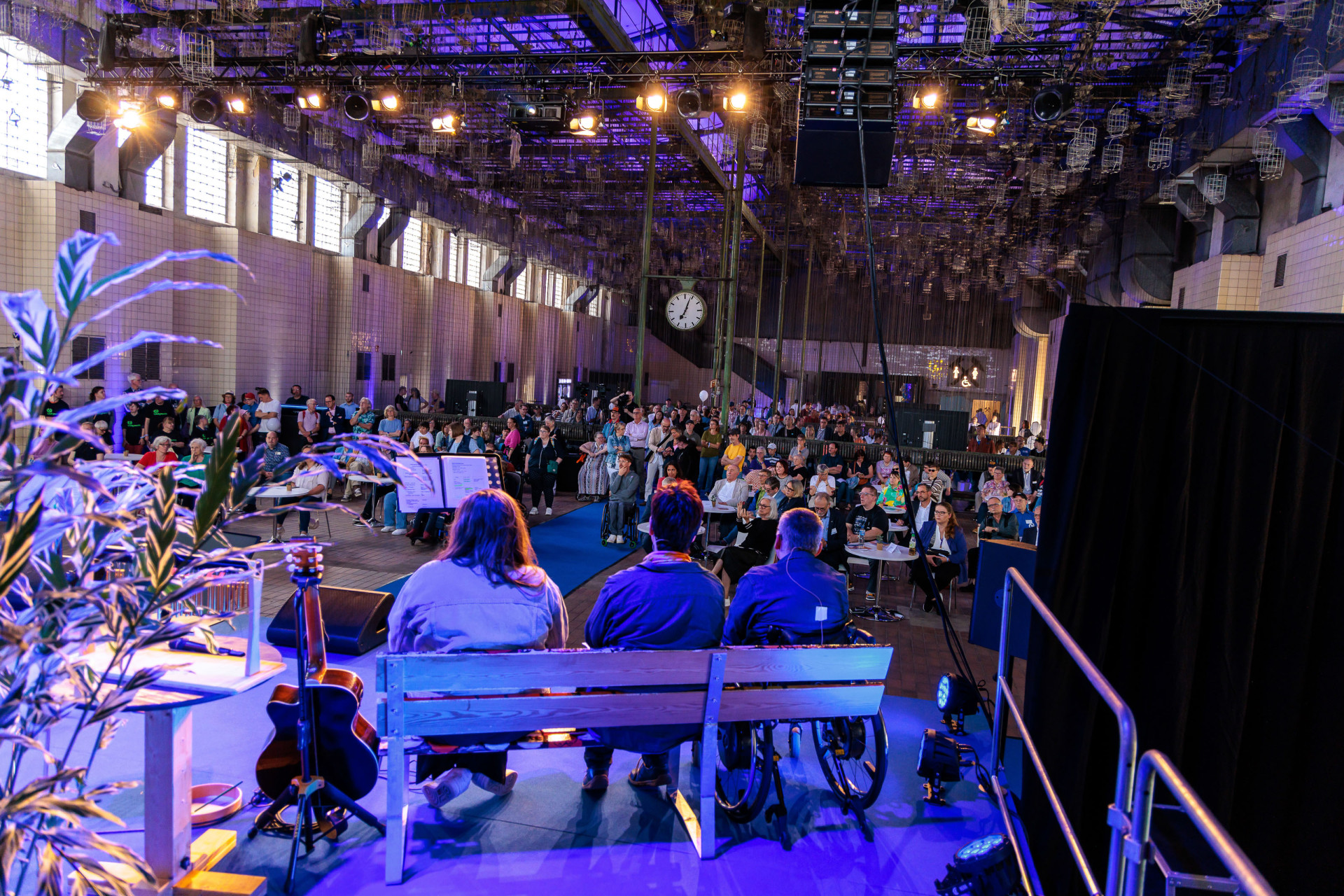
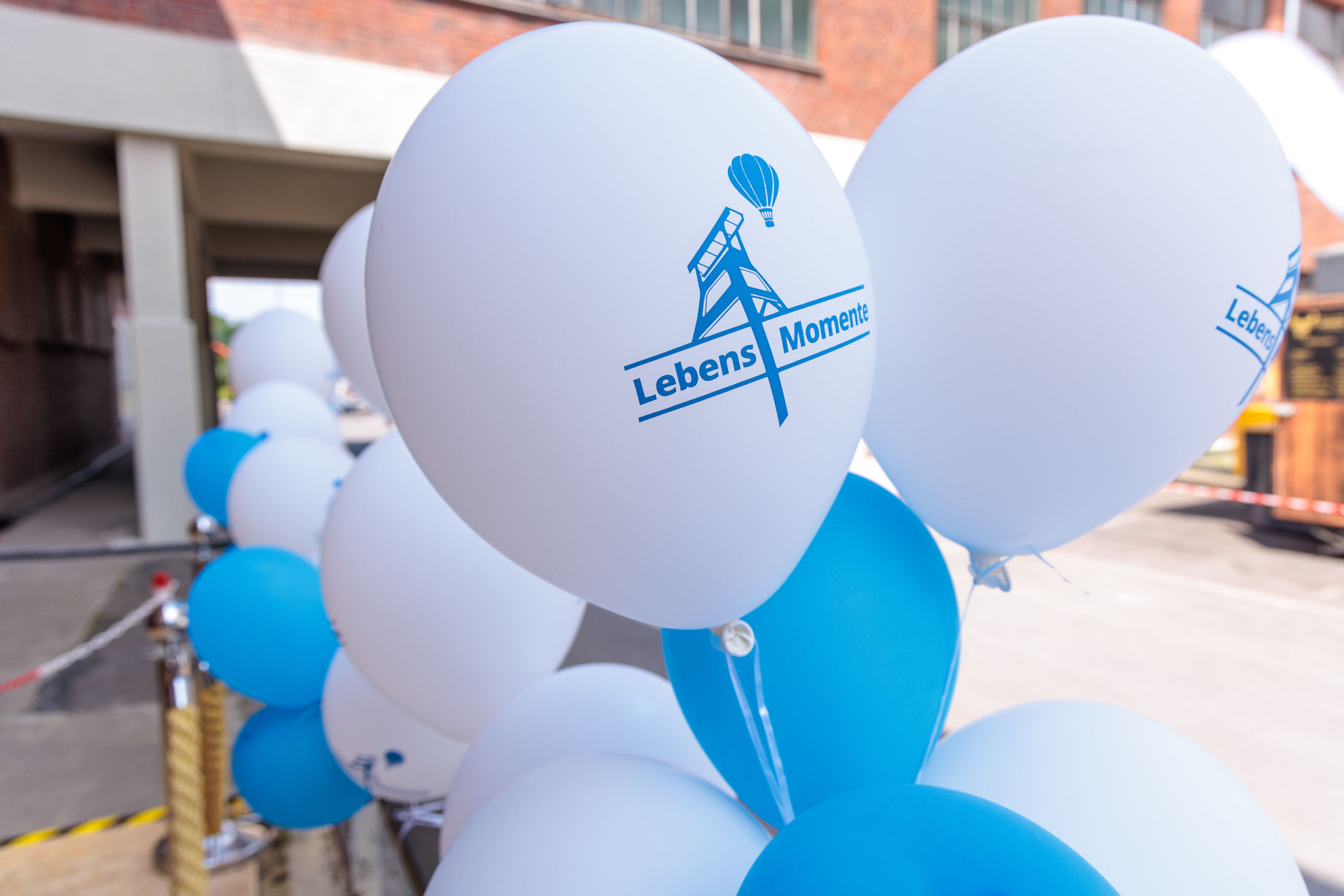
At the Lebenshilfe NRW cultural festival, we realized just how varied these challenges actually are. Mobility is just one of them. People who have impaired vision or hearing, or who process information more slowly, also constantly encounter obstacles at events. It’s just that you often don’t notice this if you’ve never struggled with it yourself.

What does that mean in practice? A sign with insufficient contrast. An invitation full of technical jargon. A stage with lighting effects that, for some guests, aren’t impressive but simply overwhelming. None of these barriers are listed in any building code. Yet it’s precisely these kinds of details that make the difference between whether someone stays or leaves.

Why this is no longer an optional

“Does this even apply to us? We’re just throwing a summer party for our staff.” I’ve been hearing this question every now and then since the Accessibility Enhancement Act went into effect in the summer of 2025. The honest answer: The Accessibility Enhancement Act primarily affects digital services such as ticket shops, registration portals, and websites. The actual on-site event is governed by other regulations, some of which have been in effect for quite some time - such as the Disability Equality Act or the Assembly Venue Ordinance. These are two distinct areas that are often conflated in discussions - with the result that some event organizers mistakenly believe they’re on the safe side as long as their website is accessible.

For me as a planner, however, one thing is clear: whether required by law or not, an accessible event reaches more people, leaves a lasting impression, and shows the outside world what a company is truly all about. Several million people with an officially recognized disability live in Germany, and on top of that, there are older guests, people with temporary mobility challenges, and families with strollers who all benefit from the same accessibility measures. Those who plan for this group from the outset don’t lose an audience - they gain one.

Accessibility isn’t just a compliance checkbox. It’s a promise of quality to all guests.

What stuck with me

The most important factor in the success of this festival was neither the technology nor the budget. It was the dialogue with the people for whom we planned the event. Every piece of feedback helped us move forward - more so than any standard we had read about beforehand.

“We never stop learning and are constantly striving to improve.”

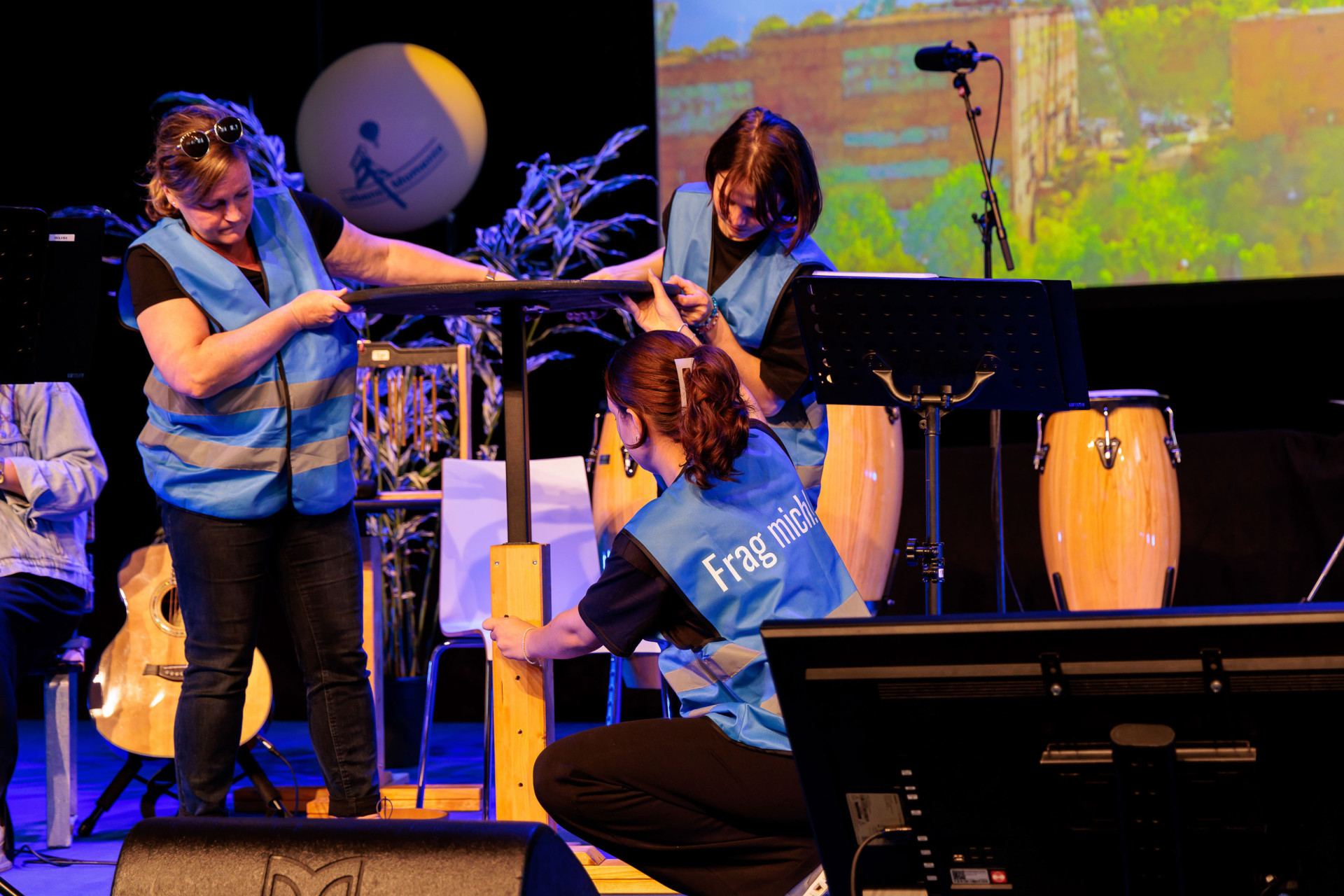
For years, our team has placed special emphasis at every event on ensuring that as many people as possible can participate. At the Lebenshilfe NRW cultural festival, this became a thoroughly planned overall concept for the first time: high-contrast signage instead of mere symbols, a route that we walked through in advance with wheelchair users, and a quiet retreat area away from the stage. None of these measures was spectacular on its own - but together, they made all the difference.

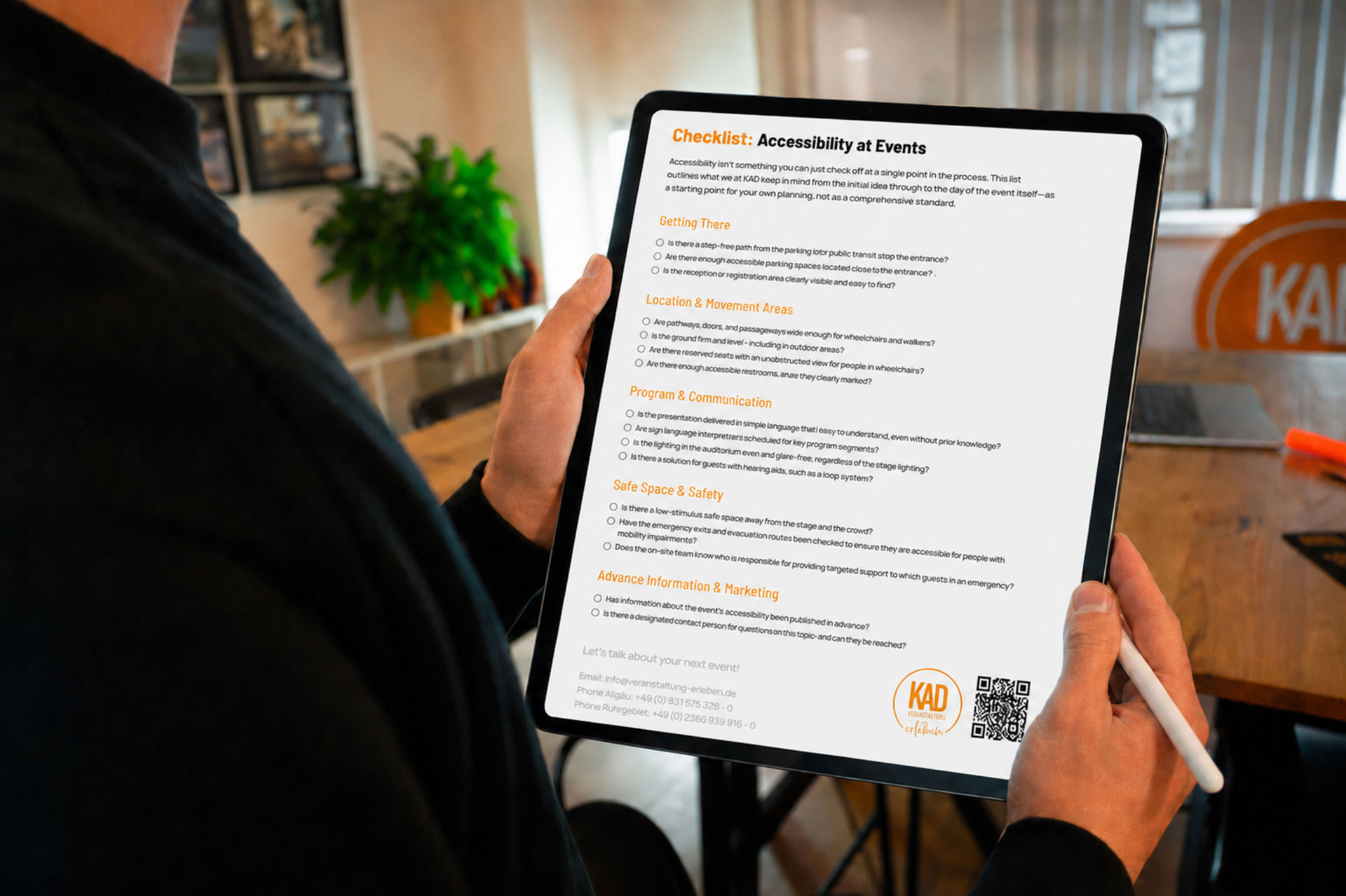
If you're planning an event yourself: Checklist for accessible events

The easiest way to start is not with a ready-made solution, but with a conversation: Who might want to attend this event, and what might prevent them from doing so? This checklist helps you take a systematic approach:

Getting There

  • Is there a step-free path from the parking lot or public transit stop to the entrance?

  • Are there enough accessible parking spaces located close to the entrance?

  • Is the reception or registration area clearly visible and easy to find?

Location & Movement Areas

  • Are pathways, doors, and passageways wide enough for wheelchairs and walkers?

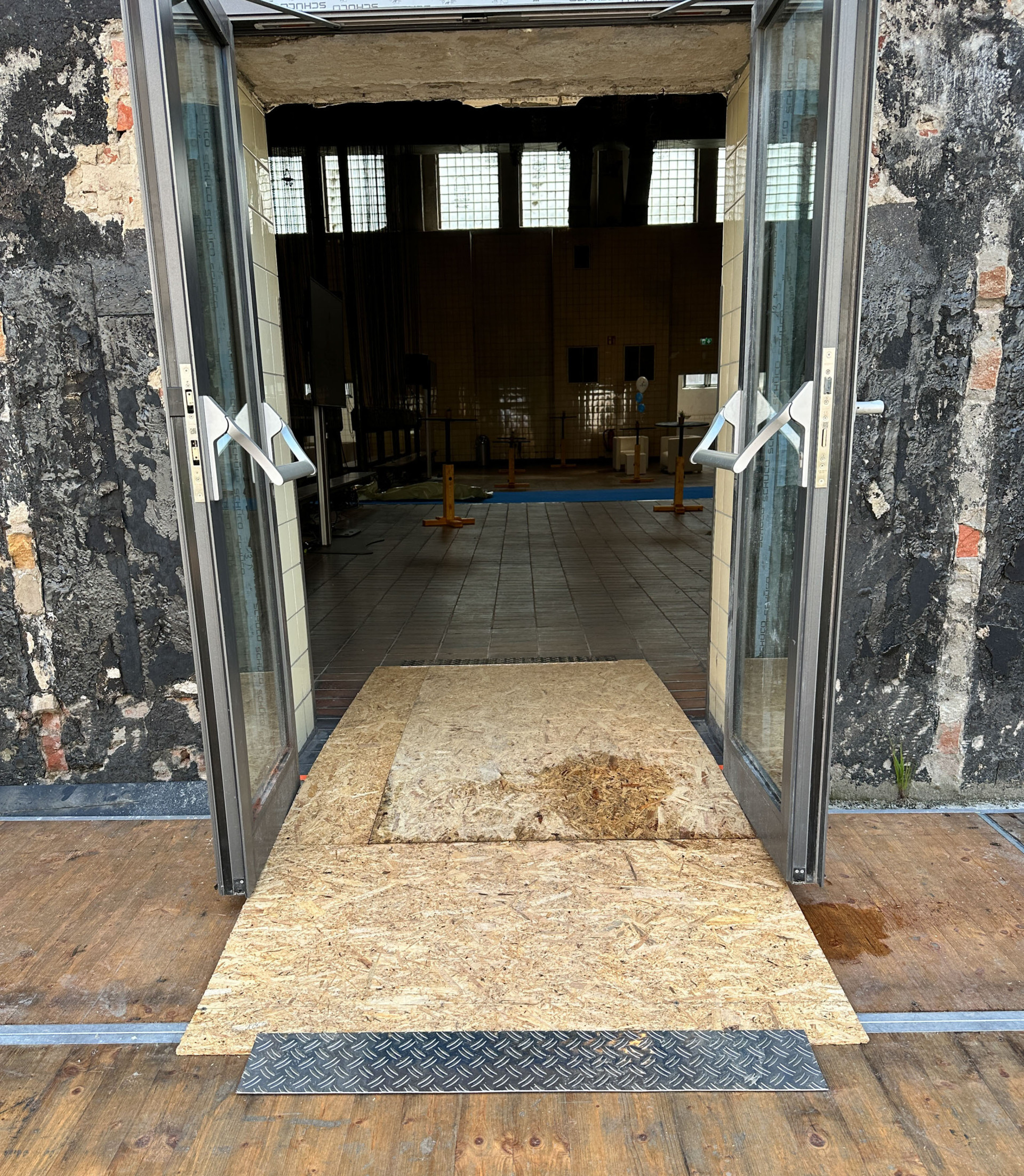
  • Is the ground firm and level - including in outdoor areas?

  • Are there reserved seats with an unobstructed view for people in wheelchairs?

  • Are there enough accessible restrooms, and are they clearly marked?

Program & Communication

  • Is the presentation delivered in simple language that is easy to understand, even without prior knowledge?

  • Are sign language interpreters scheduled for key program segments?

  • Is the lighting in the auditorium even and glare-free, regardless of the stage lighting?

  • Is there a solution for guests with hearing aids, such as a loop system?

Safe Space & Safety

  • Is there a low-stimulus safe space away from the stage and the crowd?

  • Have the emergency exits and evacuation routes been checked to ensure they are accessible for people with mobility impairments?

  • Does the on-site team know who is responsible for providing targeted support to which guests in an emergency?

Advance Information & Marketing

  • Has information about the event’s accessibility been published in advance?

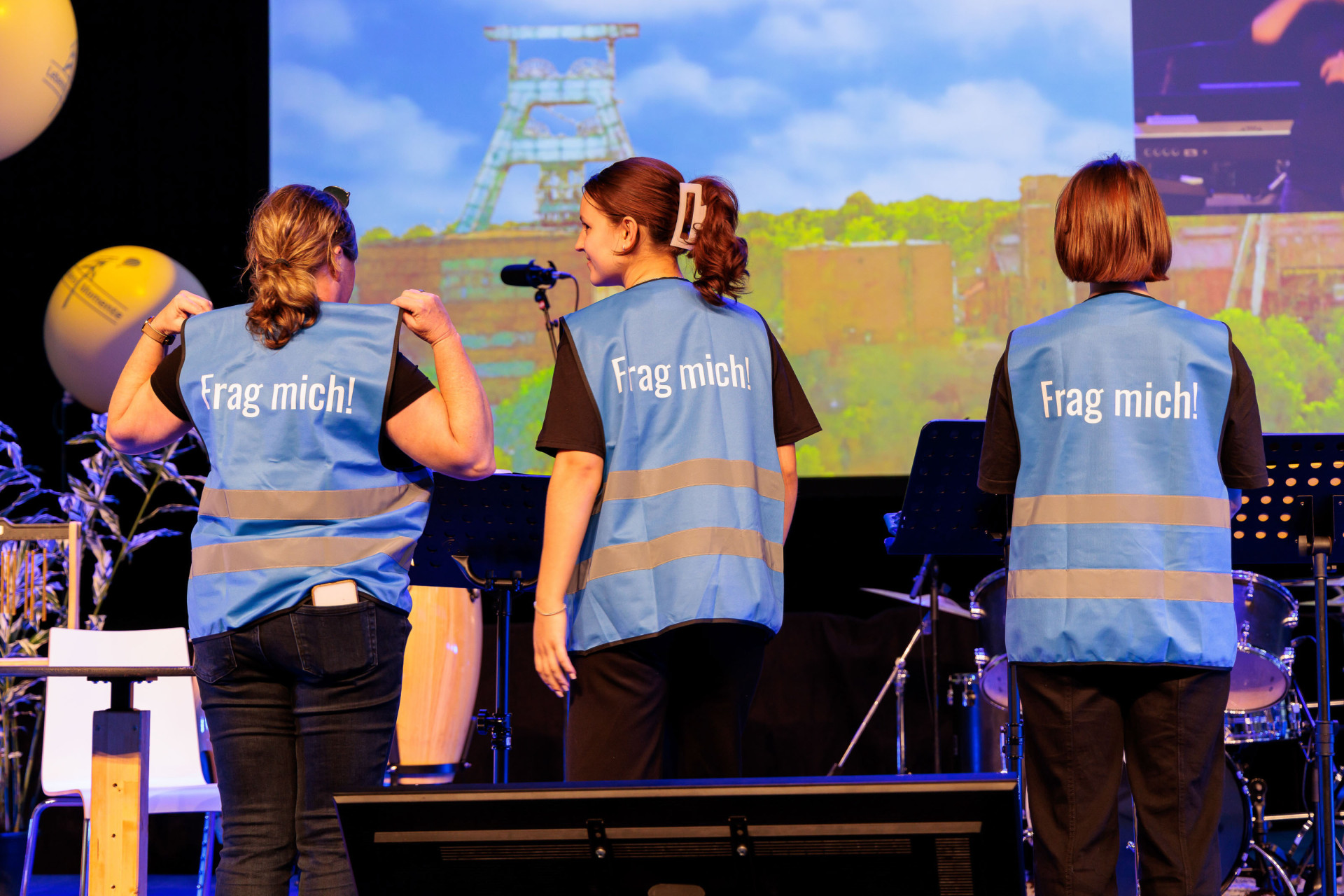
  • Is there a designated contact person for questions on this topic - and can they be reached?

And if you don’t have much experience with this yet: Just reach out. Our team includes people who have asked themselves exactly these questions many times before.

My personal conclusion

I can’t seem to shake this heightened awareness, and I don’t want to anymore. Our project with Lebenshilfe NRW has shown me just how much of an impact it has: a celebration that more than 3,000 people fondly remember for all sorts of reasons - including Dodzi and the participants in his dance workshop. Accessibility rarely stands out because of spectacular moments, but rather because of the sum of small, well-thought-out decisions made for a wide variety of guests.

When you think about your next event: Who do you want to be happy to talk about it afterward - and who has been left out so far? Let’s figure that out together for your next event!

Frequently asked questions

Your most common questions on this topic – answered from our day-to-day experience.

Related content

More posts for the linked service page: Public Event