What is live communication?

Why Encounters Have a Greater Impact Than Information

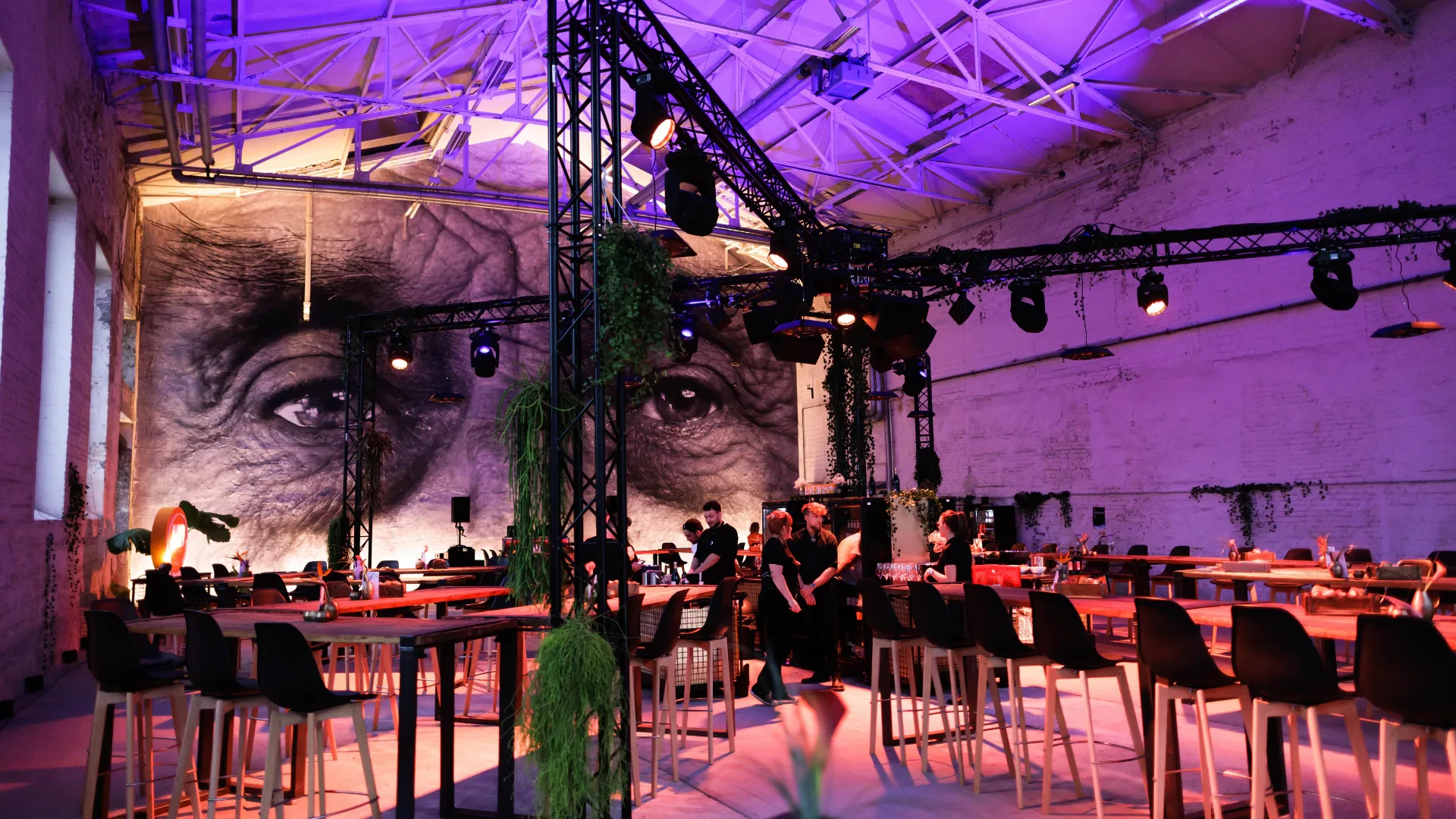
I often stand at the very back of the hall. Not on stage. Not at the reception desk. But where the technical equipment is set up and you can see the entire room.
There’s a moment there that fascinates me every single time:
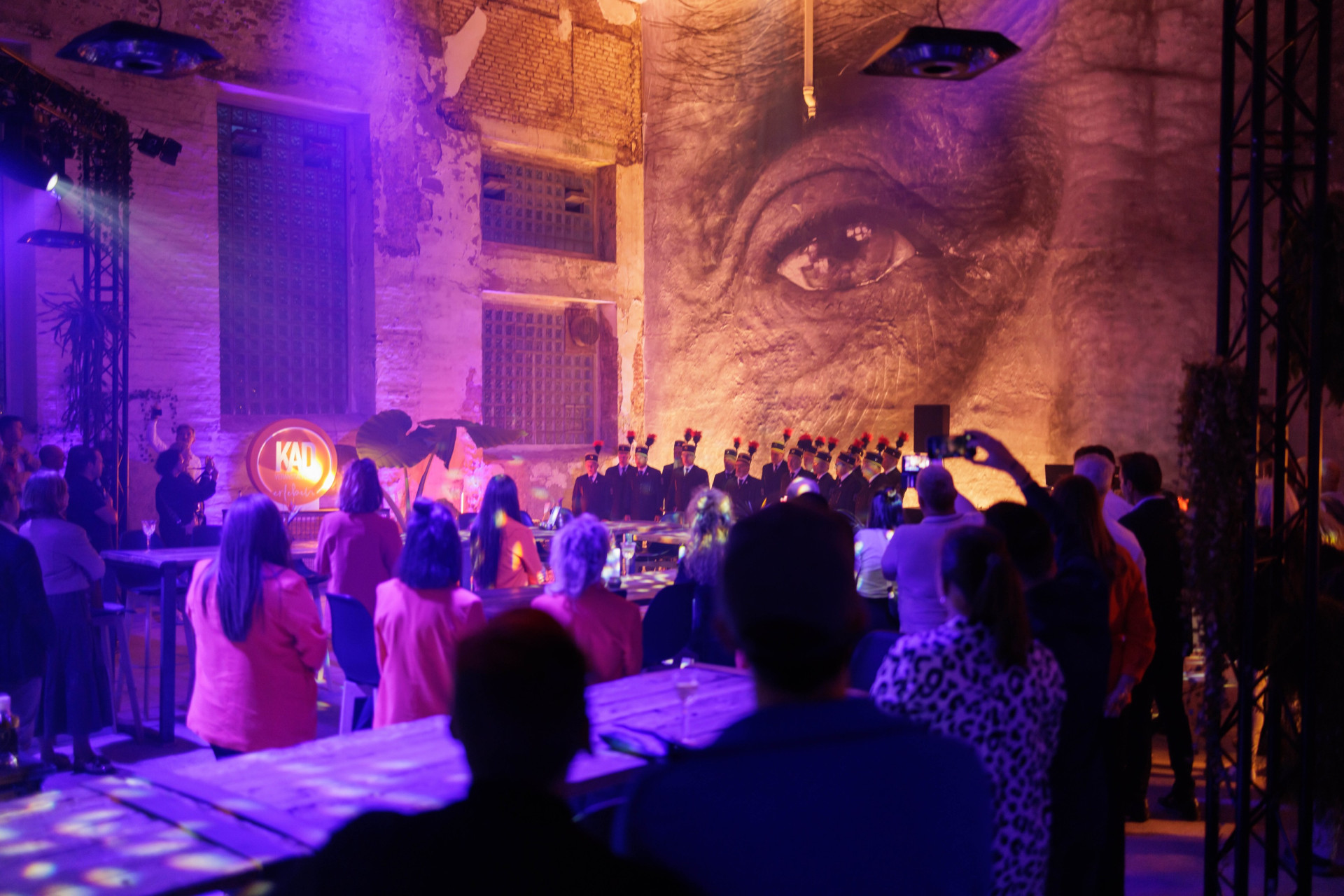
Just before the program begins, it gets quiet. Cell phones disappear into pockets, conversations fall silent, and hundreds of people focus their attention on a single point.
You won’t find that moment in any video conference. Not in any newsletter. And not even in the most carefully planned social media post. For me, that’s exactly where live communication begins.

And it’s precisely this moment that leads me to a question I’ve been asked time and again for many years: What exactly is live communication—and why do we at KAD see ourselves not as an event agency, but as a live communication agency?

Photos: © by André Chrost

Author
Article type
What is live communication?

The Moment That Surprises Me Every Time

A few months ago, at a company anniversary celebration, I was standing next to a guest who hadn’t put his cell phone down until the end of the countdown marking the start of the event. His gaze was glued to the screen, as if he’d miss something important otherwise.
Then the CEO took the stage and spent two minutes sharing an anecdote from the company’s early years—quietly, without slides, without any microphone fanfare. The guest next to me put his cell phone away. Not because it would have been rude to keep using it. But because he was captivated by something a message can never achieve: a real person, a real moment, genuine connection.
What does that mean, specifically? Information competes with a hundred other pieces of information. An encounter competes with nothing. In that moment, it has no competition.

What Live Communication Actually Is

Live communication refers to all forms of deliberately designed, personal interactions between a company and its people—employees, customers, and partners. It takes place at events, trade shows, roadshows, or company parties, and thrives on the fact that people don’t just view a message, but experience it together with others, feel it, and engage in conversation about it.
Live communication isn’t just another word for “event.” It’s the mindset behind it—the belief that a shared moment between people can have a greater impact than even the most well-crafted message on a screen.

The term isn’t new. It’s been circulating in the marketing world since the 2000s. What is new is the urgency with which it’s making a comeback.
We’re all familiar with this everyday scenario: a calendar full of video calls where half the participants have their cameras off. People talk, but they don’t truly connect. Studies on the so-called “experience economy” reveal a trend that I’ve long sensed in our projects: People are once again investing more consciously in real experiences, in time spent together, in moments you can’t simply click away.
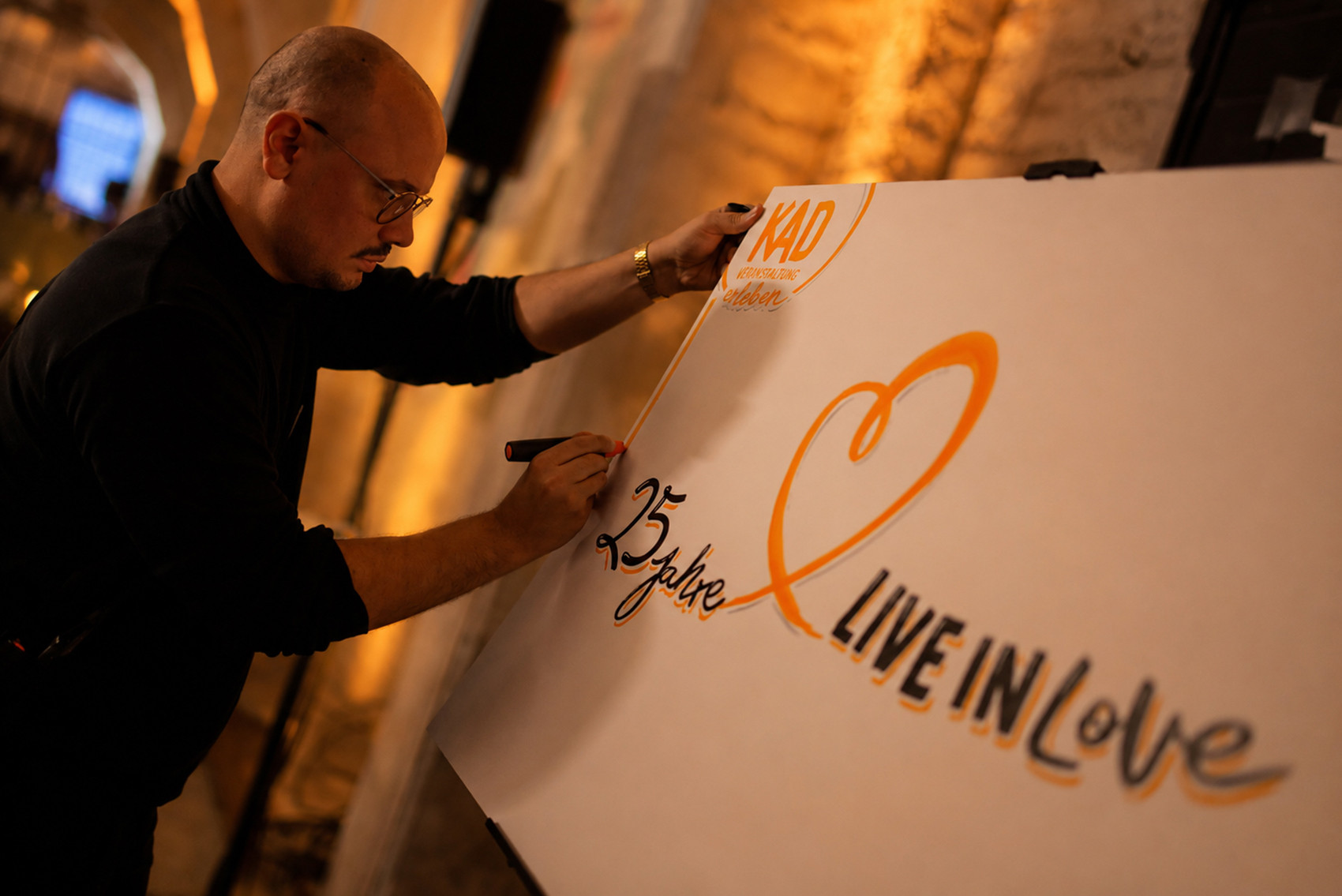
That doesn’t surprise me. It just confirms what we’ve been seeing for 25 years.

Why Interpersonal Encounters Have a Greater Impact Than Information

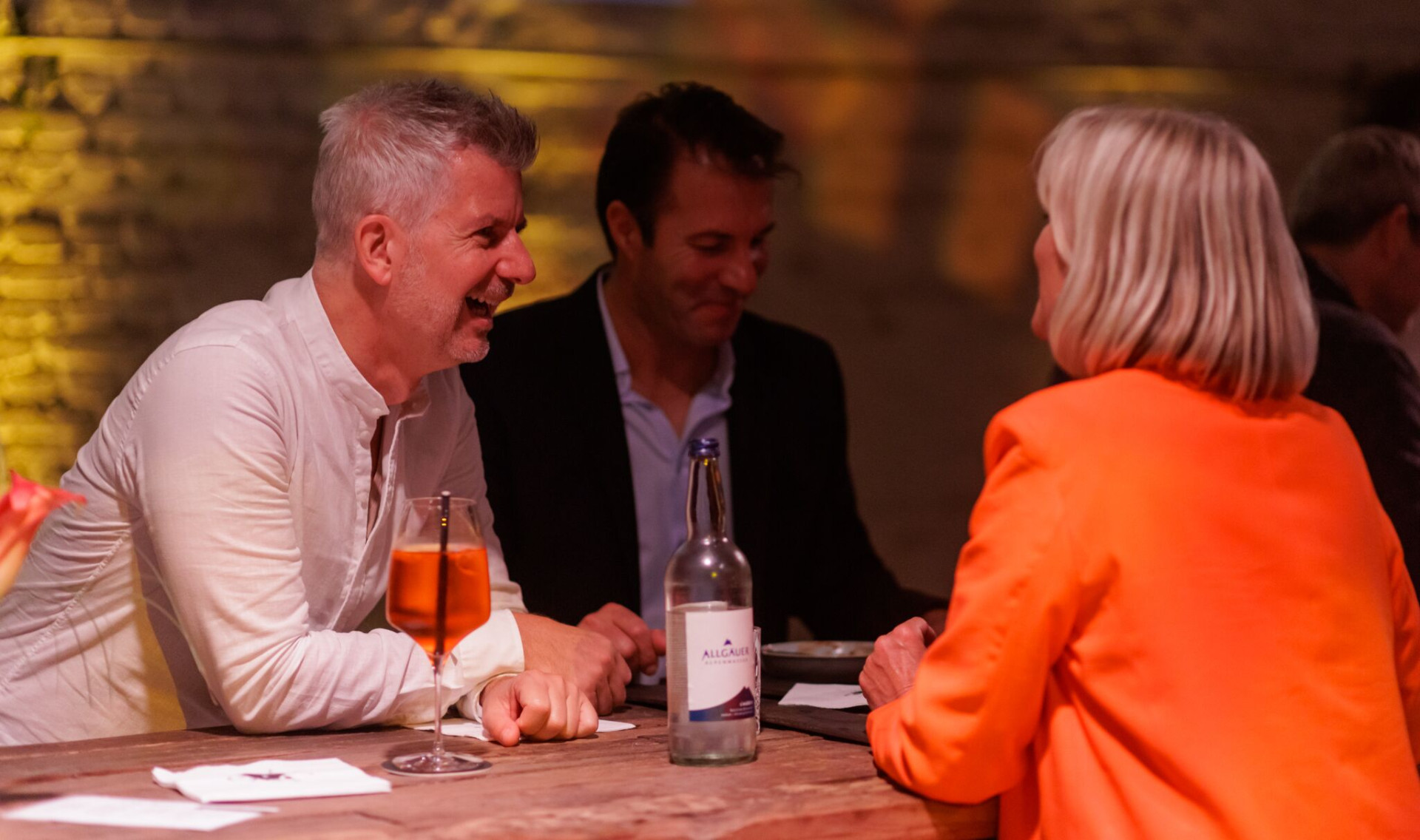
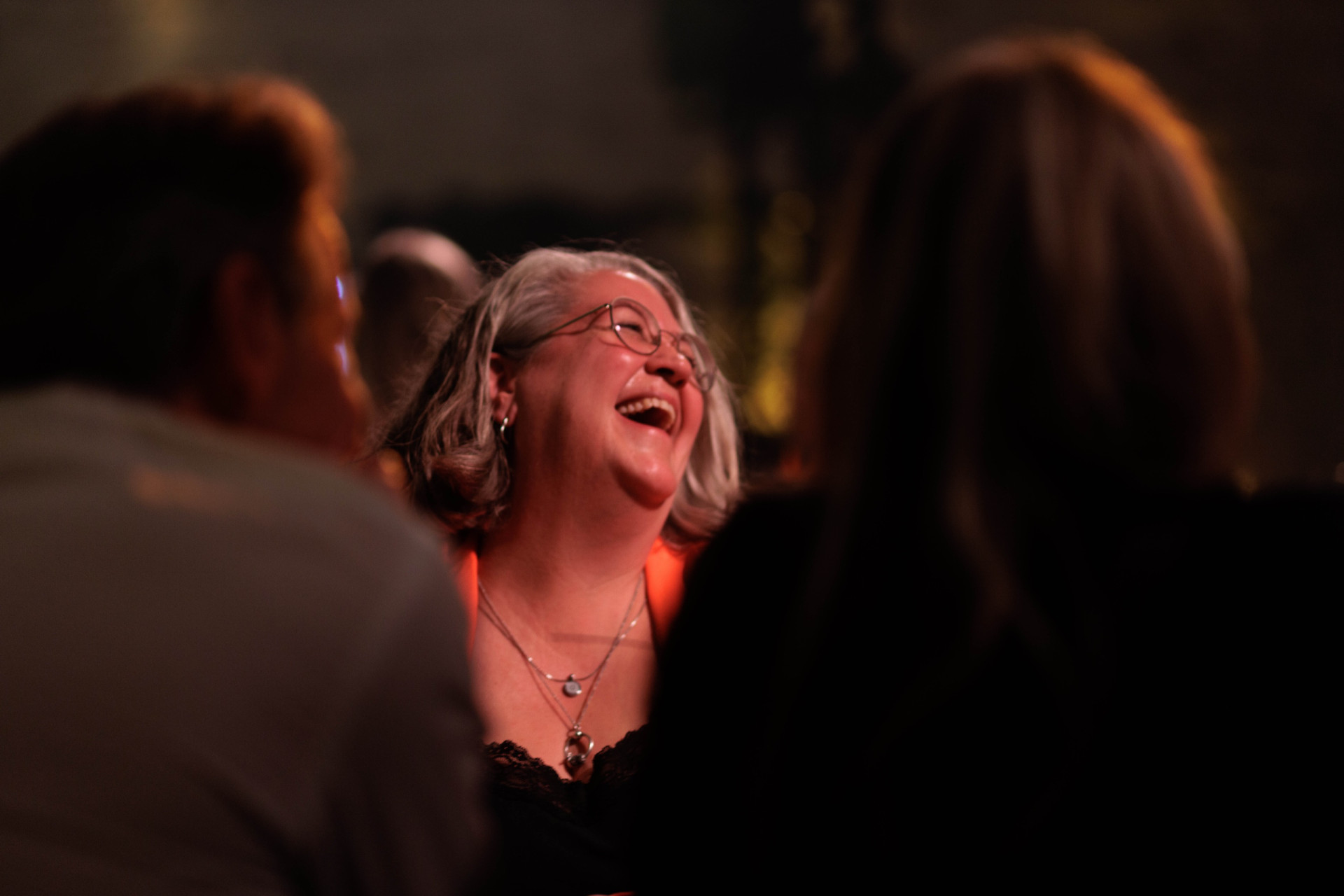
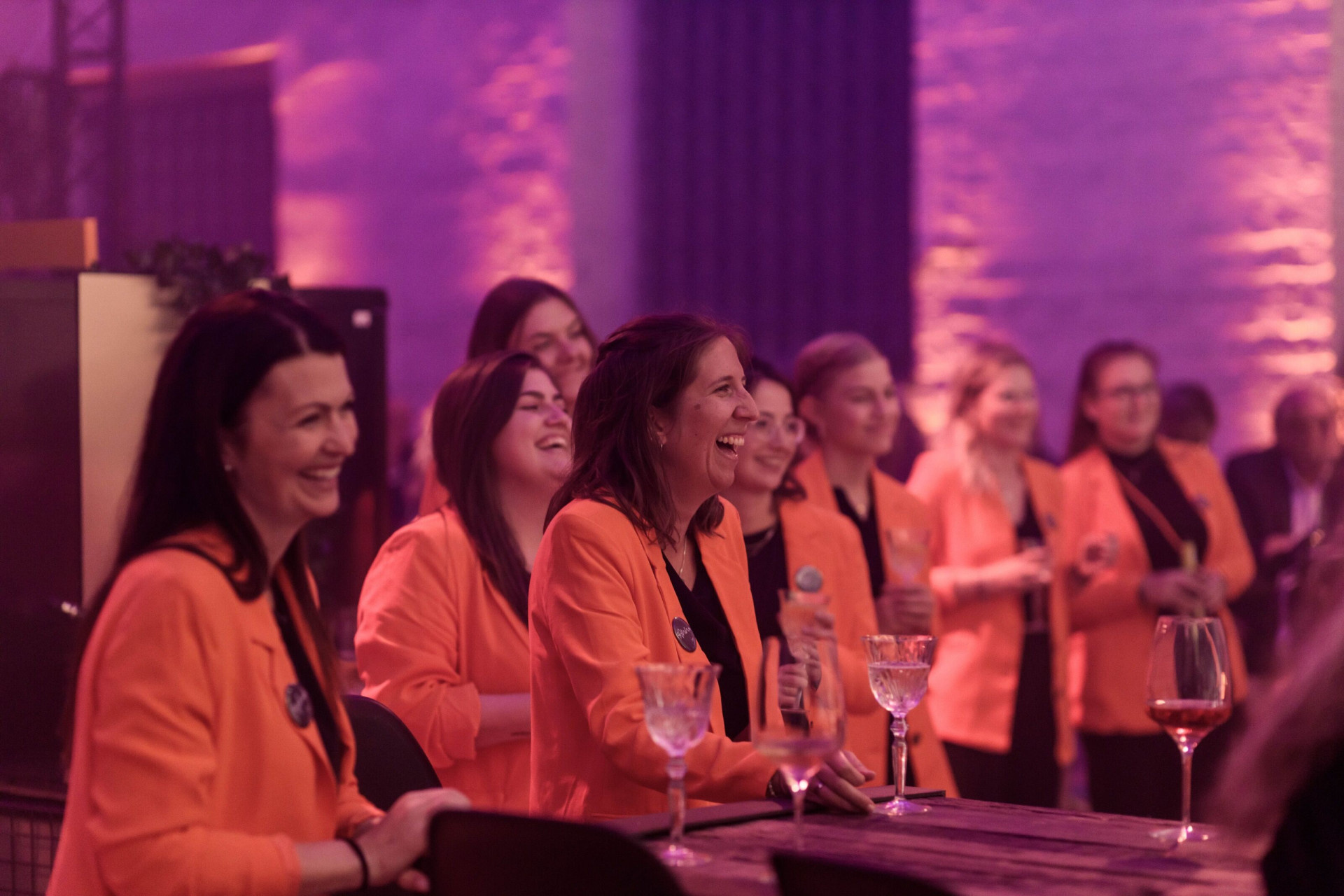
Information reaches the mind. Interpersonal encounters reach the heart. This isn’t just a nice saying—I experience this difference anew with every project. When someone reads a number, they process it. When someone stands face-to-face with another person who is telling them something, something changes within them. You don’t remember the 12 percent increase in sales. You remember the look in their eyes, their voice, the laughter in the room.

Here’s a short checklist that guides us when planning every event:

  • Is there a moment when people truly look each other in the eye?
  • Is there room for the unexpected—a spontaneous conversation, an unexpected reaction?
  • Does anyone share something personal instead of just presenting numbers?
  • Does at least one guest leave the room with a story they want to share with others?

If we can answer “yes” to these four questions, we know: This won’t be just an event you attend. It will be an event you experience.

A Real-World Example

In 2023, we had the privilege of helping celebrate the 100th anniversary of the Geiger Group—a family-owned business that has stood for unity, courage, and constant change for four generations.

Of course, we could have told the story of 100 years of company history using nothing but impressive statistics, a spectacular show, and a chronology on the big screen.
But we were convinced that the real story lies elsewhere: with the people who have shaped Geiger.
That’s why the focus was not only on the company’s history, but above all on the people behind it. Family members, long-time companions, and longtime employees shared stories of their first days at Geiger, of courageous decisions, shared challenges, and special moments that continue to shape the company to this day.

By the end of the evening, hardly anyone was talking about the stage technology or the production. Instead, we kept hearing comments like, “Now I understand what makes Geiger special as a family-owned business.”

For me, that is precisely where the power of live communication lies. Numbers tell us what a company has achieved. Stories show why people feel connected to it.

What I’ve Learned and Experienced Time and Again Over the Past 25 Years

I’ve learned that live communication isn’t the opposite of the digital world. They need each other. Digital channels reach many people quickly. Live communication reaches a few people deeply. Both have their place—but only one of them leaves a memory that people still talk about years later.

I’ve also learned that perfection isn’t the goal. The moments that have the strongest impact are rarely the most meticulously planned ones. They arise when real people say real things—even if that means setting the script aside for a moment.

And I’ve learned that our role as an agency isn’t to organize events. It’s to create spaces where meaningful connections can happen in the first place.

Why We’re Writing About This Right Now

With this article, we’re launching a new blog. Not just another channel where we talk about ourselves, but a place where we share what we’ve learned from over 25 years of experience—honestly, without any glossy filters. Whenever we write about event formats, trends, or lessons learned in the future, this one conviction will always be at the core: Encounter isn’t just an add-on to communication. It’s at its very heart.

Frequently asked questions

Your most common questions on this topic – answered from our day-to-day experience.

Related content

More posts for the linked service page: Strategy & Consulting