How much does an event planning agency cost?

Why Price Is Only Part of the Answer

A few weeks ago, I was sitting across from a marketing director. We’d been talking for less than five minutes when she asked: “Before we go any further—what does this cost with you guys, roughly?” I know that moment well. Her pen taps lightly on her notepad; her gaze is alert but cautious. She already had an internal budget in mind that she had to defend, and she just wanted to know if she was even at the right table.

I totally get it. Anyone who’s planning wants to be able to run the numbers. But here’s the thing: there’s no single figure I can just give you off the top of my head. And that’s exactly what this is about—not a price list, but why there isn’t one and what that means for you.

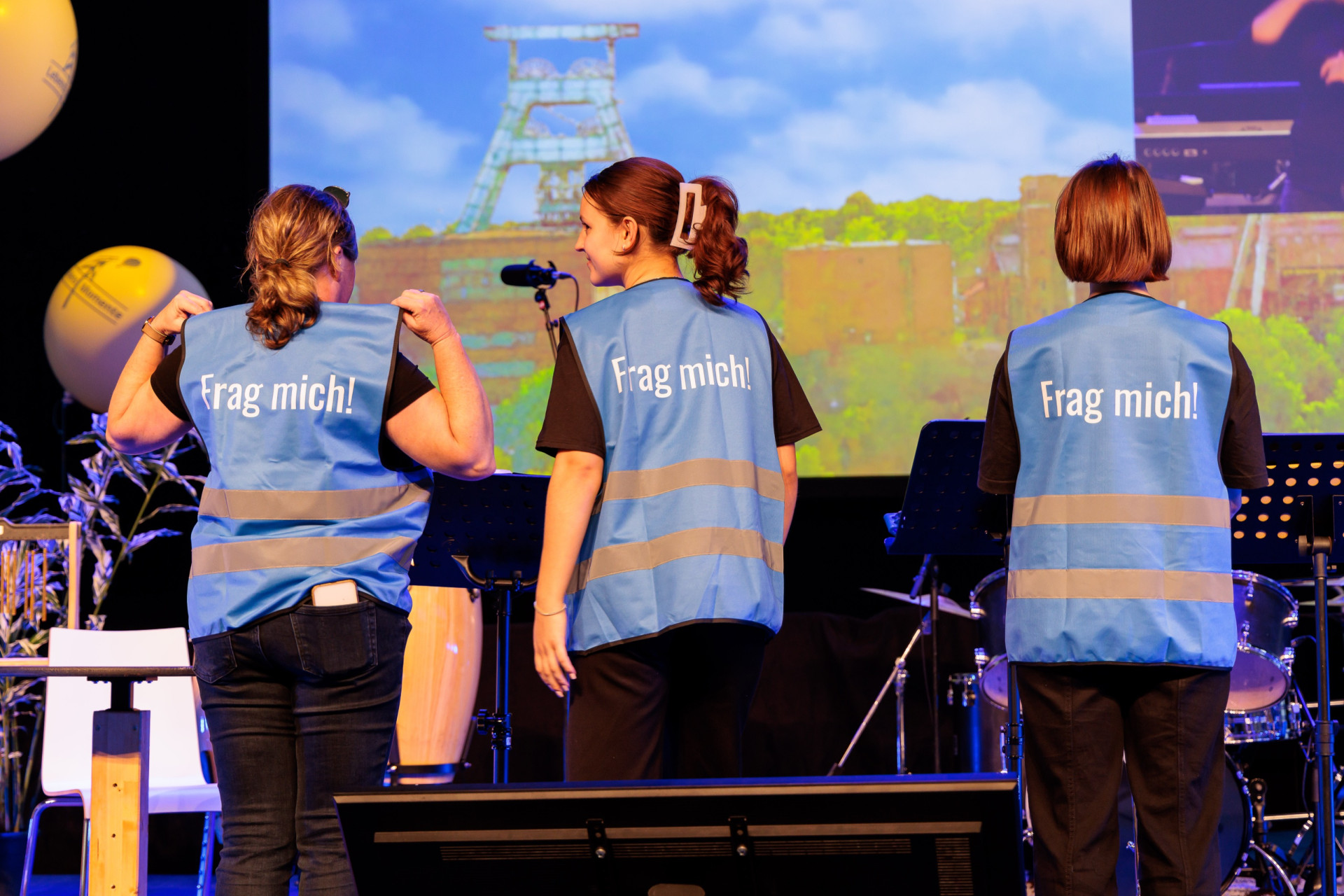
Photos: © by André Chrost & KAD

Author
Article type
Service
Event format
How much does an event planning agency cost?

Why Costs Can’t Be Estimated with a Flat Rate

An internal kick-off event for 30 colleagues and a three-day conference for 800 guests have about as much in common as a T-shirt and a tailor-made suit. Both are items of clothing. But the materials, effort, and price are worlds apart. It’s the same with events—they’re not off-the-shelf products. If you ask me about the price before we’ve discussed your goal, I’d rather be honest and tell you that I can’t give you a number yet, rather than pull one out of thin air. Not out of reluctance, but because a budget only makes sense once I know what you want to achieve.

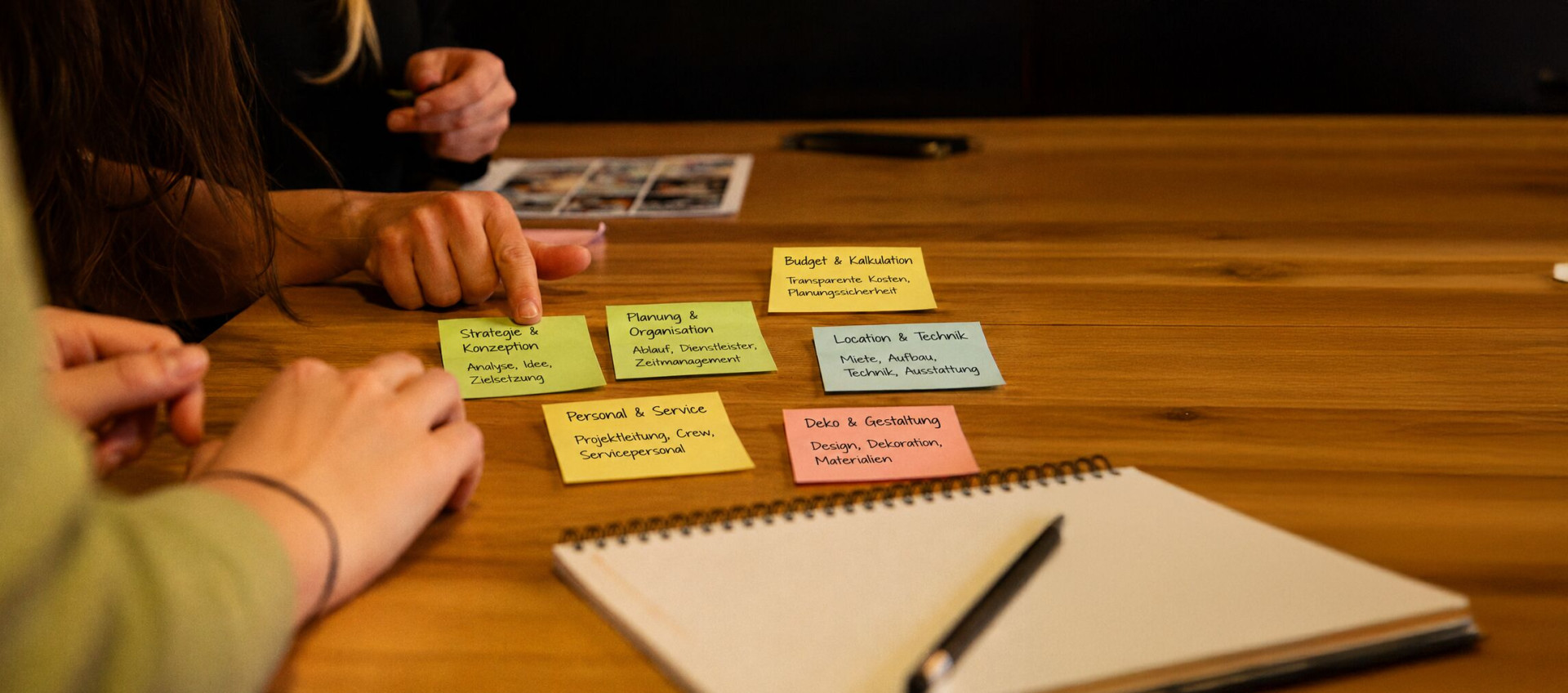
A few key factors almost always determine the scale of a budget:

  • Type of event—a team-building event works completely differently than a product launch show
  • Number of participants—50 guests require different resources than 500
  • Duration—an afternoon or three days makes a huge difference
  • Scope of services—pure consulting or full implementation, including attendee management
  • Technology—stage, lighting, sound, streaming, interactive tools
  • Location—a downtown hotel or an unusual venue requiring special arrangements

How Working with Us Actually Works

When I was new to the industry myself two decades ago, I thought clients paid for services—for a venue, catering, or a stage. Today I know: Above all, they pay for experience. For the knowledge of which caterer reliably delivers for 300 guests and which one has already canceled at the last minute twice. For a network that can’t be built in three weeks. And for a point of contact who has the mental bandwidth to think of things you would never have thought of yourself.

We handle the entire spectrum—from strategic planning and complete event management to marketing and communications surrounding the event. Those who book us rarely book just a single component. They book a team that anticipates their needs before they even have to ask.

Why Good Planning Saves Money, Not Costs It

At first glance, this sounds like a contradiction, but it’s my most honest observation from two decades of experience: Poorly planned events almost always end up costing more than well-planned ones. Here’s an example from everyday life: A few years ago, a company had organized a summer party entirely on its own—until it became clear three weeks beforehand that the desired venue was already booked for another event on the scheduled date. The replacement venue was more expensive, the catering had to be rearranged at the last minute, and part of the team spent the final two weeks almost exclusively on crisis management instead of their actual work. Last-minute rebookings, double-paid services, unused resources, a team that had to improvise during the event—in the end, all of this costs more than what thorough planning from the start would have cost.

Cost or Investment—A Difference That Matters

An expense is something that’s gone as soon as you’ve paid for it. An investment is something that pays off. A well-executed event pays off: through stronger customer loyalty, motivated teams, visible brand impact, and new contacts that turn into real business even months later.

So the real question is never just “How much does the event cost?”, but always “What will it give me in return afterward?”

It’s Not About the Size

An internal employee event for 60 people focused on team building looks completely different from a client event for 300 guests featuring a stage program, live performances, and press coverage. At the inclusive cultural festival organized by Lebenshilfe NRW—which we helped organize to mark the regional association’s 60th anniversary—the number of participants wasn’t the deciding factor at all. What mattered more was that people with and without disabilities could celebrate together, participate, and take center stage as equals—inclusion and participation being the true value of the event. The budget was allocated differently than for a traditional corporate party because the goal was different: not scale or prestige, but a social impact that extends far beyond the day of the event. Both formats can be equally successful. The difference lies not in the quality of the idea, but in whether the budget aligns with the goal.

What I’ve Learned From This

I’ve learned that the question “How much does it cost?” is almost never the question that really needs to be answered. The real question is: “Can I trust that my money will go where it makes a difference?” And this question can’t be answered with a number, but only through a conversation in which both sides are honest—about goals, about limits, and about what really matters in the end.

I’ve also learned that clients who ask the most critical questions at the beginning are the ones who build the most trust later on. Those who ask questions want to understand. And those who want to understand deserve an honest answer instead of an off-the-shelf price list.

How to Determine a Realistic Budget

Before you submit a request, asking yourself a few questions can be incredibly helpful:

  • What impact do you want the event to have on your guests?
  • How many people do you want to reach?
  • Is it a one-time event or part of a long-term series?
  • What role does the event play for your brand as a whole?

If you can answer these four questions, you’re already halfway to planning your budget—without even having to request a single quote.
The most successful event isn’t necessarily the cheapest, nor is it the most expensive. A successful event is one that achieves its goal. Sometimes that means a lean, clever format on a small budget. Sometimes it takes more effort to ensure the event really makes an impact. Both approaches can be right—as long as the goal and budget align and don’t work against each other.

When you think about your next event: Do you already know what you want it to deliver—or just how much it can cost?
Let’s figure out together which budget fits your goal. Over a cup of coffee, or let’s dive right into the concept.

Frequently asked questions

Your most common questions on this topic – answered from our day-to-day experience.

Related content

More posts for the linked service page: Events